


Understanding your skin type is essential for building an effective skincare routine. Each person’s skin is unique, and using the wrong products for your skin type can lead to irritation, breakouts, or dryness. Dry, oily, and combination skin are the three most common skin types, each with distinct characteristics and needs. Knowing your skin type allows you to target specific issues and achieve a healthier, more radiant complexion.
While dry skin may need extra moisture, oily skin requires control of excess sebum production. Combination skin demands a more tailored approach, as it features both oily and dry areas.
Each skin type needs different treatments and products for optimal health. At Cenla Dermatology and Mohs Surgery, we specialize in providing personalized advice and treatments that suit your specific skin type, helping you maintain a glowing complexion year-round.
What is Dry Skin
Characteristics of Dry Skin
Dry skin often feels tight and may appear flaky or rough. It can also be red or irritated, especially in colder months. You might notice rough patches and fine lines that become more visible. When your skin lacks moisture, it struggles to maintain its barrier, leading to dehydration and an increased risk of sensitivity.
Causes of Dry Skin
Dry skin can be triggered by various factors, including environmental conditions like cold or windy weather or indoor heating. Dehydration, frequent hot showers, and harsh soaps that strip the skin of natural oils also contribute to dryness.
Additionally, skin conditions such as eczema or psoriasis can worsen dry skin. Genetics plays a role, as well, some people are genetically predisposed to having drier skin.
Treatment for Dry Skin
For dry skin, the goal is to restore moisture and maintain hydration. Start by using a gentle, fragrance-free cleanser to avoid stripping the skin. Look for moisturizers with hydrating ingredients like ceramides, hyaluronic acid, and glycerin, which help lock in moisture.
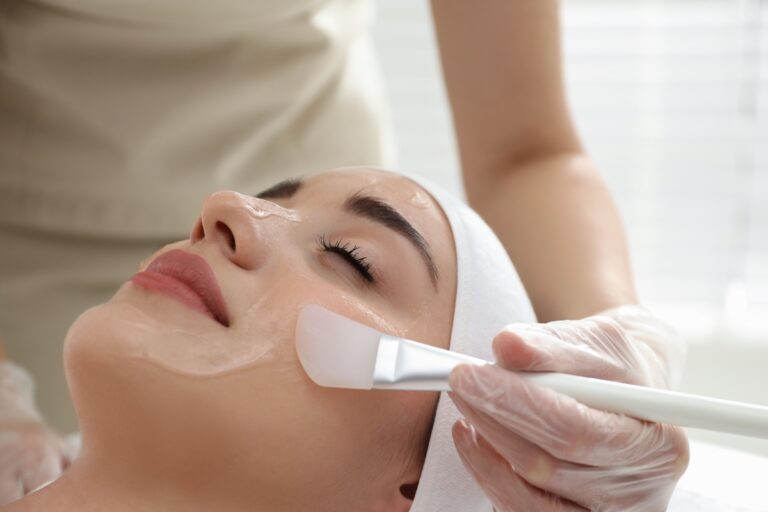
Consider incorporating a hydrating mask into your routine once or twice a week to deeply nourish your skin. At Cenla Dermatology and Mohs Surgery, we offer treatments like hydrating facials that can complement your daily skincare regimen.
What is Oily Skin?
Characteristics of Oily Skin
Oily skin produces excess sebum, leading to a shiny or greasy appearance, especially in the T-zone (forehead, nose, and chin). This type of skin is also prone to enlarged pores and frequent breakouts. If your skin often feels oily soon after cleansing, you likely have oily skin.
Causes of Oily Skin
Oily skin is mainly caused by overactive sebaceous glands, which produce more oil than necessary. Hormonal changes, such as those during puberty, pregnancy, or menstruation, can increase sebum production.
Diet, stress, and certain medications can also contribute to oily skin. Genetics plays a significant role, so if your family has a history of oily skin, you may be more likely to have it too.
Treatment for Oily Skin
The key to managing oily skin is controlling sebum production while maintaining skin balance. Use a gentle foaming or gel-based cleanser that removes excess oil without stripping the skin.
Look for products that contain salicylic acid or niacinamide, which can help control oil and prevent clogged pores. A lightweight, oil-free moisturizer is essential to keep skin hydrated without adding extra shine.
Regular exfoliation (but not over-exfoliating) helps remove dead skin cells, preventing clogged pores and breakouts. At Cenla Dermatology and Mohs Surgery, we offer personalized treatments to control excess oil production and improve skin texture.
What is Combination Skin?
Characteristics of Combination Skin
Combination skin is exactly as it sounds, a mix of oily and dry areas. Most people with combination skin have an oily T-zone (forehead, nose, chin) and drier areas on their cheeks. The skin may be oily in certain spots but feel tight or dry in others, which can make it harder to find products that work for both zones.
Causes of Combination Skin
Combination skin can be influenced by genetics, hormonal changes, and the environment. For example, during certain seasons, the skin may produce more oil due to increased humidity or heat, while other areas remain dry due to air conditioning or colder weather.
Additionally, the use of products that are too heavy on the dry areas or too harsh on the oily T-zone can exacerbate combination skin.
Treatment for Combination Skin
When treating combination skin, the goal is to balance both oily and dry areas. Use different products for each zone, such as a lightweight, oil-free moisturizer for the T-zone and a richer cream for the dry areas.
A gentle exfoliator that targets the T-zone can help control oil without drying out the rest of your face. It’s crucial to avoid overloading your skin with too many products, as this can aggravate the imbalance. For personalized treatment, visit Cenla Dermatology and Mohs Surgery for skin-care advice tailored to your unique needs.
How to Identify Your Skin Type
Skin Type Test
A simple way to determine your skin type is to perform the “bare-face test.” Wash your face with a gentle cleanser and leave it free of products for an hour. Pay attention to how your skin feels during this time.
If it feels tight and rough, you likely have dry skin. You have oily skin if it feels oily and shiny. If you notice both oily and dry areas, such as a greasy T-zone and dry cheeks, you likely have combination skin.
When to Consult a Professional
If you’re unsure about your skin type or notice persistent issues such as acne, eczema, or rosacea, it’s best to consult a dermatologist. A professional dermatologist in Alexandria can accurately assess your skin and recommend personalized treatments.
At Cenla Dermatology and Mohs Surgery, we offer consultations to help you understand your skin and find the right skincare regimen for your needs.
Skincare Tips for Each Skin Type
Dry Skin Tips
For dry skin, focus on hydration. Use rich, hydrating creams that lock in moisture, and avoid products with alcohol or fragrances. Gently exfoliate to remove dead skin cells, and use hydrating masks for deep moisture.
Oily Skin Tips
For oily skin, use oil-free moisturizers and opt for gel-based formulas. Exfoliate regularly to prevent clogged pores and consider using products with salicylic acid or niacinamide to reduce shine and control oil production.
Combination Skin Tips
For combination skin, use separate products for different areas of your face. Apply oil-free products to the T-zone and richer creams to drier areas. Avoid harsh products that can irritate the skin and create more imbalance.
Common Mistakes to Avoid
Over-exfoliating Dry Skin
Exfoliating too frequently can strip dry skin of its natural oils, worsening dryness and irritation. Stick to exfoliating 1-2 times a week and opt for gentle exfoliants.
Using Harsh Products on Oily Skin
Using harsh cleansers or toners can over-dry oily skin, leading to more oil production. Choose gentle, oil-free products designed to balance the skin without stripping it.
Overloading Combination Skin with Too Many Products
Using too many products on combination skin can overwhelm it and worsen imbalances. Stick to simple, targeted treatments for each area and avoid overloading your skin.
Understanding your skin type is the first step toward achieving healthy, glowing skin. Whether you have dry, oily, or combination skin, the right skincare routine can make a significant difference. By choosing the proper products and treatments from a professional dermatologist in Alexandria suited to your skin’s unique needs, you can manage its characteristics and keep it looking its best.
At Cenla Dermatology and Mohs Surgery, we specialize in personalized skincare advice that addresses your specific concerns. If you’re struggling to find the right treatment or need professional guidance, our team is here to help. Schedule an appointment with us today to take the first step toward healthier, more balanced skin.
People Also Ask
Exfoliate oily skin 1-2 times a week to remove dead skin cells and prevent clogged pores. Avoid over-exfoliating, as it can irritate the skin and increase oil production.
Yes, combination skin can change due to factors like age, hormones, climate, or skincare routine. It’s important to adjust your products accordingly to maintain balance.
Avoid products with alcohol, fragrances, and harsh exfoliants, as they can strip moisture and irritate dry skin. Instead, look for hydrating ingredients like hyaluronic acid and ceramides.
Yes, even oily skin needs moisture. Opt for a lightweight, oil-free moisturizer that hydrates without adding excess oil or clogging pores.
Absolutely! A dermatologist can recommend the best skincare routine for your combination skin and provide personalized treatments to balance both the oily and dry areas.