

Skin cancer is among the most commonly diagnosed cancers in the United States. In many cases, it is highly treatable when identified early, making timely diagnosis and medical care essential for better recovery and long-term health. Early evaluation allows healthcare providers to address abnormal skin changes before they progress, improving both medical outcomes and cosmetic results.
At Cenla Dermatology, patients receive thorough skin evaluations, accurate diagnoses, and personalized treatment plans designed to address concerns at the earliest possible stage. Taking early action for skin cancer treatment in Alexandria is one of the most effective ways to improve treatment success and reduce complications.
Understanding Skin Cancer and Its Development
Skin cancer develops when certain skin cells grow abnormally and uncontrollably. The most common types include basal cell carcinoma, squamous cell carcinoma, and melanoma. Each type behaves differently, but all require prompt medical attention.
In many cases, skin cancer begins as a small or subtle change on the skin that may appear harmless. Because of this, patients often delay seeking evaluation. However, even minor changes can develop into more serious conditions if left untreated.
Early detection allows for simpler treatment approaches and reduces the likelihood of the condition spreading deeper into the skin or affecting other parts of the body.
Why Early Detection Matters
Early detection plays a critical role in improving treatment outcomes. When skin cancer is identified at an early stage, treatment is generally more effective and less complex. Smaller lesions are easier to remove and often require less extensive procedures.
Early intervention also lowers the risk of cancer spreading. This is especially important in cases of melanoma, which can become more serious if not treated promptly.
Regular skin examinations and careful monitoring of skin changes are essential for early identification and successful treatment.
Warning Signs That Should Not Be Ignored
Changes in the skin should always be evaluated carefully. Common warning signs include:
- New spots or growths on the skin
- Changes in the size, shape, or color of existing moles
- Sores that do not heal over time
- Rough or scaly patches
- Persistent itching, pain, or tenderness
- Bleeding or crusting areas on the skin
ABCDE Method for Melanoma Detection
- A – Asymmetry: One half does not match the other
- B – Border: Edges appear uneven or unclear
- C – Color: Multiple or uneven shades within a single spot
- D – Diameter: Larger than a pencil eraser
- E – Evolving: Any noticeable change over time
Any of these signs should be evaluated without delay.
Benefits of Early Skin Cancer Treatment
Early treatment offers several important advantages that significantly improve patient outcomes.
Higher Success Rates
When detected early, skin cancer is often confined to a small area, allowing for complete removal with high success rates.
Simpler Treatment Methods
Early-stage conditions typically require less complex procedures, resulting in faster healing and reduced discomfort.
Lower Risk of Spread
Timely treatment reduces the risk of cancer cells spreading into deeper tissues or other organs.
Better Cosmetic Results
Smaller treatments often lead to less scarring, especially when cancer is located on visible areas such as the face or hands.
Reduced Long-Term Costs
Early treatment helps avoid advanced procedures, hospital stays, and reconstructive surgeries, reducing overall healthcare costs.
Skin Examinations and Professional Care
Regular skin examinations are one of the most effective ways to detect skin cancer early.
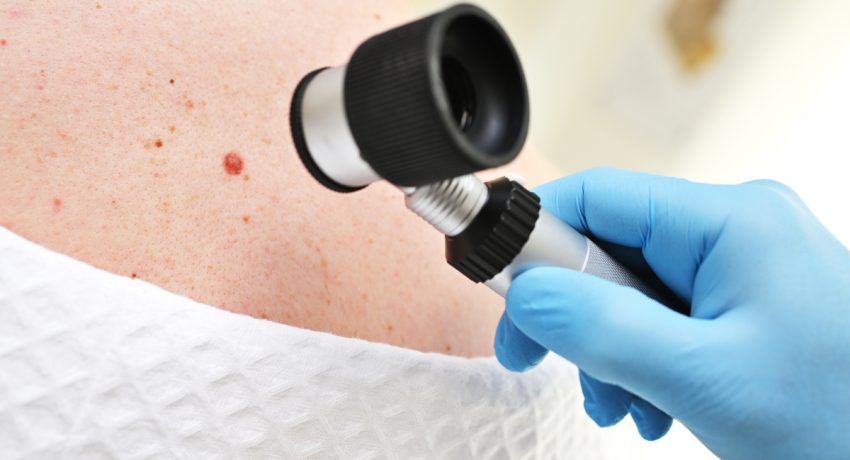
During an exam, a dermatologist carefully evaluates the skin for unusual marks or changes. If necessary, a biopsy may be performed to confirm a diagnosis. Patients seeking Skin cancer treatment in Alexandria benefit from advanced evaluation and individualized treatment approaches tailored to their condition.
Individuals at Higher Risk Should Be Extra Cautious
- Fair skin
- Frequent or prolonged sun exposure
- History of sunburns
- Use of tanning beds
- Family history of skin cancer
Professional evaluation ensures early detection and timely treatment.
Treatment Options Available
Treatment depends on the type, location, and stage of skin cancer.
- Surgical removal of cancerous tissue
- Mohs surgery for precise, layer-by-layer removal
- Cryotherapy for early or small lesions
- Prescription topical treatments for superficial conditions
Each treatment plan is selected based on safety, effectiveness, and individual patient needs. Early diagnosis significantly expands treatment options.
Protecting Skin After Treatment
Ongoing care is essential after treatment to reduce the risk of recurrence or new skin cancer development.
- Apply sunscreen daily
- Avoid peak sunlight hours
- Wear protective clothing outdoors
- Avoid tanning beds
- Monitor skin regularly for changes
- Attend routine dermatology follow-ups
Long-term protection is just as important as initial treatment.
Why Professional Care Matters in Alexandria
Access to experienced dermatology care ensures accurate diagnosis and timely treatment planning.
Cenla Dermatology is committed to early detection, precise diagnosis, and patient-centered care that supports long-term skin health and improved outcomes.
For additional trusted medical information, visit https://www.aad.org
Conclusion
Early detection and treatment of skin cancer play a vital role in improving patient outcomes. When addressed promptly, treatment is more effective, less invasive, and associated with better recovery results.
Consistent skin checks, awareness of warning signs, and timely medical care are essential for maintaining long-term skin health. With proper attention and early intervention, patients can significantly reduce complications and achieve better overall outcomes.
Frequently Asked Questions
Early treatment helps prevent the cancer from spreading and allows for simpler, more effective care.
Most individuals benefit from annual skin examinations, while higher-risk patients may require more frequent visits.
Changes in moles, new growths, non-healing sores, or unusual skin changes should be evaluated promptly.
Yes, most types of skin cancer are highly treatable when detected early.
Individuals with fair skin, high sun exposure, tanning bed use, or a family history of skin cancer are at increased risk.