

The Gulf Coast region offers a perfect place to live for many people, with warm temperatures, year-round sunshine, and beachfront access. People who adopt this lifestyle need to understand how their skin will age throughout the years. The residents of Alexandria, Louisiana, and its surrounding regions need to know how Gulf environmental conditions affect their skin health. Your skin undergoes significant changes when exposed to salty ocean air, moist, humid conditions, and strong sunlight. The blog will explore how Gulf Coast residency affects skin aging and explain why residents should visit Cenla Dermatology and Mohs Surgery for their skin healthcare needs.
The Effects of Saltwater and Humidity on Your Skin
The Gulf Coast environment produces two main factors that affect skin health: saltwater exposure and high humidity.
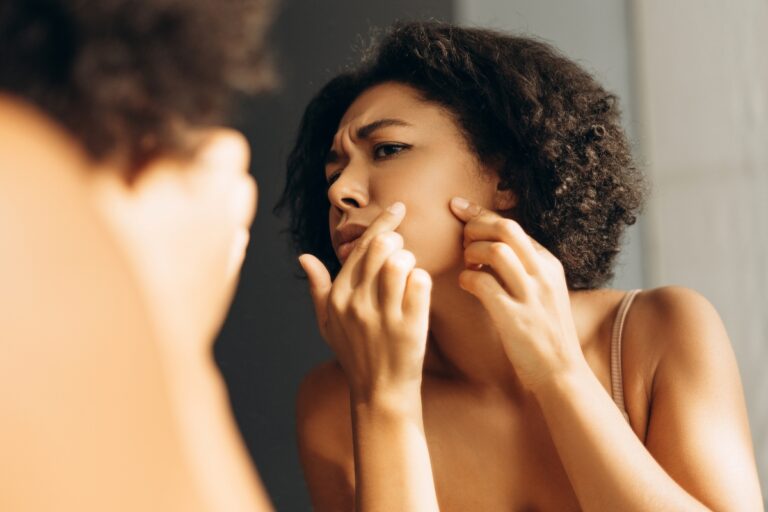
Dehydration and Dryness: The humid environment creates a refreshing atmosphere, yet it produces two opposing effects. Your skin will produce more sweat due to prolonged exposure to humidity, which clogs pores and causes oily skin. The skin produces excess oil, which leads to acne breakouts and skin irritation when left untreated.
Saltwater Exposure: People who live by the ocean need to contend with saltwater, which strips the skin of its natural moisture. The skin becomes dry and irritated, leading to an increased appearance of fine lines. The skin will develop signs of aging from saltwater exposure, which worsens when people fail to properly protect it.
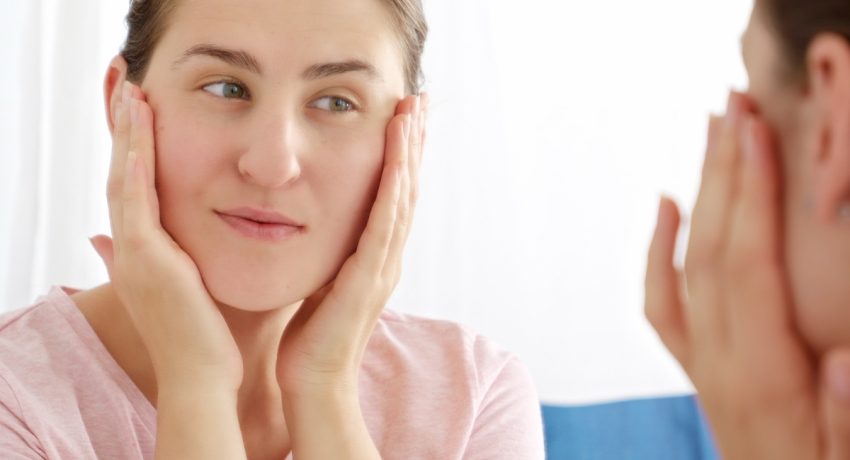
For residents of Alexandria, this means that, while you enjoy the coastal beauty, your skin might need extra care. You need to use skincare products that combine hydration with oil control to restore your skin’s natural balance and maintain moisture. Our dermatologist in Alexandria, LA, will help you create a skincare routine tailored to your area’s environmental conditions.
Worrying About UV Exposure at the Gulf
The Gulf Coast’s sunny weather offers good opportunities for outdoor recreation, but it also makes it easy to sustain long-term skin damage from sun exposure.
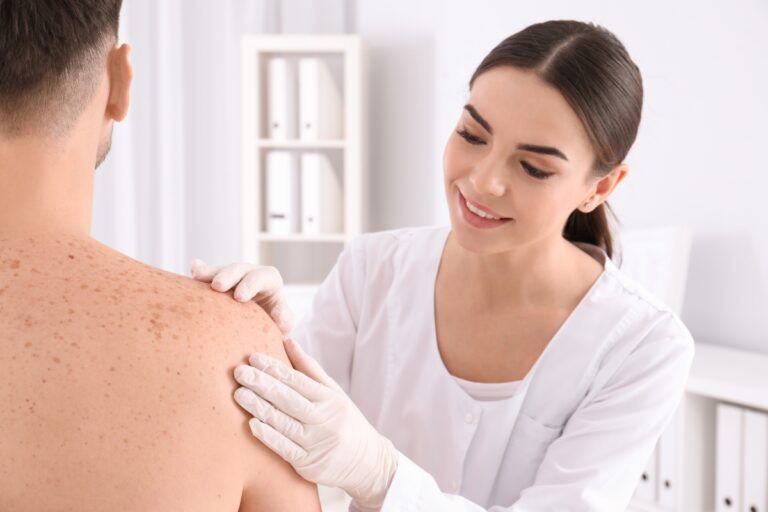
- Sunburns and Skin Cancer Risk: People living along the Gulf Coast who spend considerable time outdoors are at higher risk of UV-induced skin damage. UV rays also burn the skin and cause and accelerate the development of skin cancer. Skin damage from UV rays also causes age spots and uneven skin tone, and can even lead to skin cancer, including melanoma, which is extremely dangerous.
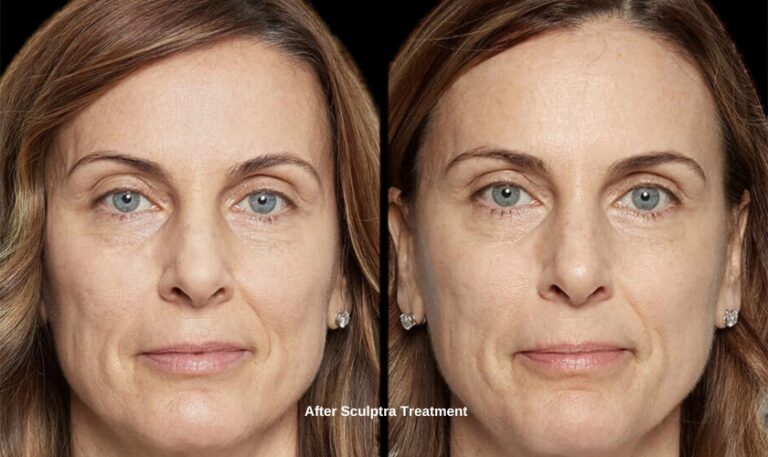
- Premature Aging: Exposure to heat and UV rays causes collagen breakdown in the skin. This makes fine lines, sagging skin, and wrinkles more visible and causes the skin to lose its firmness and elasticity. This is called photoaging, and in some cases, it can be accelerated if the skin has been repeatedly subjected to this process over time.
The aforementioned issues can be mitigated by using a broad-spectrum sunscreen with an SPF of 30 or higher daily. In addition, protective clothing, such as hats and sunglasses, is recommended. Your dermatologist in Alexandria, LA, can recommend advanced sun-exposure treatments, such as chemical peels and Botox.
Long-Term Skin Conditions Caused by the Gulf Environment
The Gulf environment can also affect the skin in many other ways. The environment can cause skin conditions, which can become permanent if neglected.
- Rosacea: Continuous exposure to humidity, heat, and salt can trigger or worsen rosacea. This skin condition is characterized by red and inflamed skin. Sensitive skin can lead to blotchy skin, and the condition may worsen, causing more surface blood vessels to appear.
- Eczema and Psoriasis: The Gulf Coast may also worsen cases of eczema and psoriasis. The humidity may irritate the skin and trigger more flares, leading to inflamed, itchy, and dry skin.
- Acne: The coast is characterized by a humid, salty, and sweaty environment, and skin may be overly exposed to these elements, which can lead to acne. Over the years, acne may lead to more outbreaks and require more care.
Here at Cenla Dermatology and Mohs Surgery, our dermatologists can help you by prescribing topical skin care to manage flare-ups and balance and calm your skin.
Skin Protection Tips for People Living Near the Gulf
Living near the Gulf can be very damaging to your skin. Without the proper skincare routines, long-term damage is almost guaranteed. Here are a few routines to ensure healthier skin:
- Skin protection begins with hydrating your skin and locking in moisture. Use a gentle, fragrance-free moisturizer to restore your skin’s natural barrier, and use a thicker cream at night to lock in moisture for overnight hydration.
- Daily sunscreen application is key to protecting your skin. Make sure to choose one that protects against both UVA and UVB rays.
- Gentle cleansing is a must for your skin after a long day at the beach. You want to remove all the oil, sweat, and sea salt. Cleaning at the skin level is important to remove anything that could further irritate your skin.
Make sure to limit time in the sun, especially after midday.
Seeking Help From a Dermatologist in Alexandria, LA
We are here for those residing in Alexandria, LA, who want to positively impact the aging and condition of their skin from the natural elements in their environment.
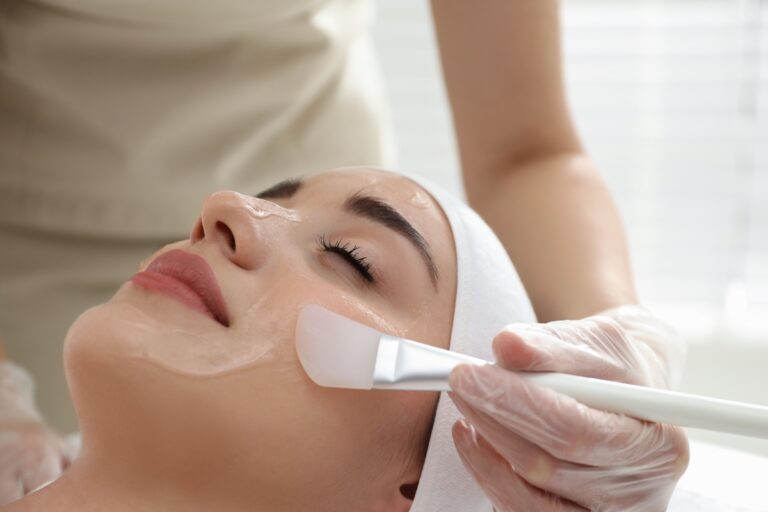
This improved skin condition involves advanced clinical treatments for skin rejuvenation, including, but not limited to, laser treatments, chemical peels, and individualized skincare regimens.
Given the negative impact Gulf weather has on the skin, we at Cenla Dermatology and Mohs Surgery are committed to helping customers maintain their skin’s health.
Take Action Today to Protect Your Skin
Support your skin with protective measures to combat the effects of aging and the irritants from the sun, the Gulf, and other environmental factors. To positively impact the aging and the condition of your skin, please schedule an appointment at Cenla Dermatology and Mohs Surgery as soon as possible.
Common Questions People Ask
Yes, prolonged exposure to saltwater can dry out your skin and contribute to irritation and premature aging.
The humidity in Gulf Coast areas can clog pores, leading to acne breakouts or skin irritation over time.
Sunscreen is essential, but it’s also important to wear protective clothing and seek shade during peak sun hours.
While sun damage can’t be fully reversed, treatments like chemical peels and laser therapy can help improve the appearance of damaged skin.