

Skin tags are small, benign growths that commonly appear on the skin. While they are usually harmless, there are instances when you should pay closer attention to them. Understanding when to worry about skin tags can help you maintain your skin health and avoid potential complications. In this blog, we’ll explore what skin tags are, why they occur, and the signs that indicate when they may require medical attention.
What Are Skin Tags?
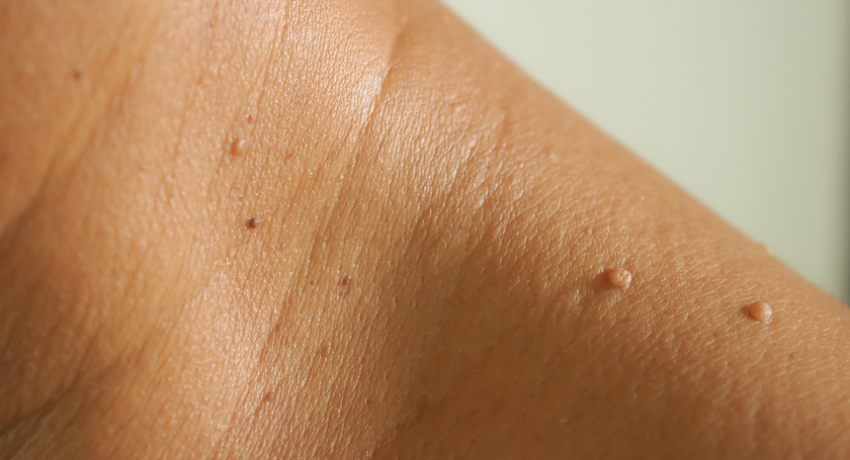
Skin tags, also known as acrochordons, are small, soft, flesh-colored growths that hang off the skin. They are composed of collagen fibers and blood vessels surrounded by skin. Typically, skin tags are found in areas where the skin folds or creases, such as the neck, armpits, groin, eyelids, and under the breasts.
While skin tags are generally harmless, they can become irritated or uncomfortable, especially if they are located in areas prone to friction.
Common Causes of Skin Tags
The exact cause of skin tags is not entirely understood, but several factors are believed to contribute to their development:
- Friction: Skin tags often develop in areas where skin rubs against skin or clothing.
- Genetics: A family history of skin tags can increase your likelihood of developing them.
- Hormonal Changes: Hormonal fluctuations, especially during pregnancy, can lead to the formation of skin tags.
- Age: Skin tags are more common in middle-aged and older adults.
- Obesity: Being overweight can increase the chances of developing skin tags due to increased skin friction.
- Insulin Resistance: Conditions like diabetes and insulin resistance are associated with a higher prevalence of skin tags.
When to Be Concerned About Skin Tags
While skin tags are typically harmless, there are certain signs and symptoms that may indicate a need for medical evaluation:
- Sudden Changes in Appearance: If a skin tag changes color, size, or shape rapidly, it could be a sign of a more serious condition.
- Pain or Bleeding: Skin tags that become painful, tender, or bleed frequently should be examined by a healthcare professional.
- Rapid Increase in Number: A sudden increase in the number of skin tags could indicate an underlying health issue, such as insulin resistance or hormonal imbalance.
- Location and Irritation: Skin tags located in areas that cause significant irritation or discomfort, such as around the eyes or genitals, may require removal for relief.
- Infection Signs: If a skin tag becomes red, swollen, or develops pus, it may be infected and need medical attention.
How to Manage and Treat Skin Tags
If you have skin tags that are bothersome or concerning, several treatment options are available:
- Cryotherapy: This involves freezing the skin tag with liquid nitrogen. The tag will eventually fall off after the treatment.
- Ligation: A small band is placed around the base of the skin tag to cut off its blood supply, causing it to fall off.
- Excision: A healthcare professional can remove the skin tag using a scalpel or surgical scissors.
- Electrosurgery: This technique uses an electric current to burn off the skin tag.
- Topical Treatments: Over-the-counter creams and solutions can be applied to skin tags to help remove them.
Preventing Skin Tags
While it may not be possible to prevent skin tags entirely, certain measures can reduce the risk of developing them:
- Maintain a Healthy Weight: Reducing skin friction by maintaining a healthy weight can help prevent skin tags.
- Skin Care: Keep your skin clean and dry, and avoid clothing that causes excessive friction.
- Manage Blood Sugar Levels: For individuals with diabetes or insulin resistance, managing blood sugar levels can help reduce the risk of developing skin tags.
Skin tags are usually harmless and do not require treatment. However, it’s essential to monitor them for any changes that could indicate a more serious issue. If you notice sudden changes in appearance, pain, bleeding, or signs of infection, consult a healthcare professional for evaluation and possible treatment. By understanding when to worry about skin tags and how to manage them, you can maintain healthy skin and peace of mind.
FAQs
- Can skin tags turn into cancer?
No, skin tags are benign and not cancerous. However, any sudden changes in a skin tag’s appearance should be checked by a doctor. - How can I tell if a skin tag is infected?
Signs of infection include redness, swelling, pain, and pus. If you notice these symptoms, seek medical attention. - Are skin tags hereditary?
Yes, genetics can play a role in the development of skin tags. If your family members have them, you may be more likely to develop them too. - Can skin tags be removed at home?
While some over-the-counter treatments exist, it’s best to have skin tags removed by a healthcare professional to avoid complications like infection. - Do skin tags grow back after removal?
Skin tags usually do not grow back after removal, but new ones can develop in the same area or elsewhere. - Are skin tags a sign of diabetes?
Skin tags can be associated with insulin resistance, a condition often linked to diabetes. If you have multiple skin tags, it may be worth checking your blood sugar levels. - Can losing weight help reduce skin tags?
Yes, maintaining a healthy weight can reduce skin friction and the likelihood of developing new skin tags.