


Do you have small moles that weren’t there before? Well, you should definitely investigate that mole for irregular shapes and strange colors. Skin cancer can appear without any pain or discomfort. By checking sudden and strange growths on your skin, you can halt them before they become harmful.
However, you must know what to look for and how to identify a possible cancer. Read this blog to learn about the signs of this serious skin condition and ways to prevent it.
How To Identify The Indications Of Skin Cancer?
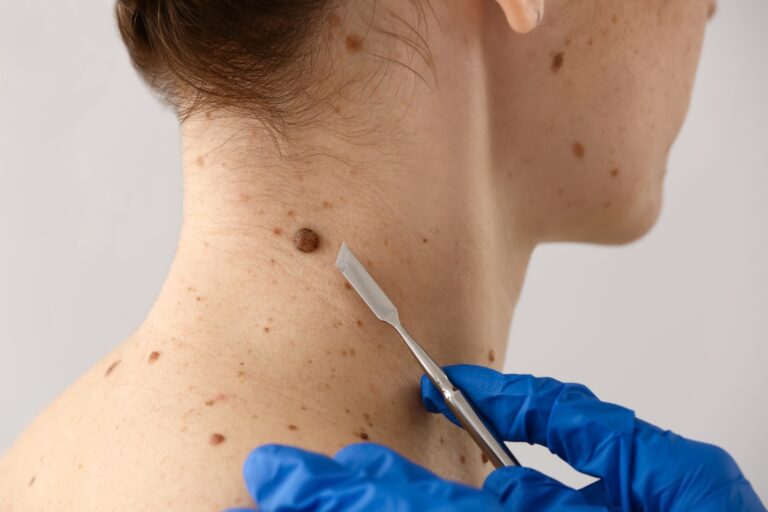
Knowing the difference between a benign mark and something harmful can save your life, but not every freckle or mole is cause for alarm. Look for these signs in your mole:
- A mole that has popped up out of the blue requires in-depth examination to ensure that it is not an indication of cancer.
- As skin cancer develops, your mole may change in size, shape, and color over time.
- Check if one half of your mole matches the other half.
- Uneven, jagged, or blurry margins are often warning signs. See a skin specialist for professional examinations.
- Healthy moles are often a single shade. If your mole has spot with a different color, its better to see a doctor..
- Pay attention to a mole if it suddenly gets itchy or scaly or begins to bleed.
Where Areas Of Your Body Should Be Checked For Skin Cancer?
Any part of your body can be affected by skin cancer in Alexandria, LA. However, your face, arms, and legs are frequently exposed to the sun, so they are more prone to this condition:
- Check your scalp since it is easily overlooked and concealed by hair.
- On some rare occasions, you may develop this skin condition on the palms and soles of your feet.
- Melanoma, a form of cancer, may be indicated by dark lines beneath your fingernails or toenails.
- Don’t forget to check between your tones. This is a neglected area where you might develop thai life threatening condtion.
Your First Line of Defense: Self-Checks
Checking different parts of your body for moles and other signs of skin cancer can help you identify the issue as early as possible. Here’s how to do it successfully:
- Use good lighting for complete visibility, and choose a full-length mirror to check every part of your body.
- As you work your way down from your scalp to your toes, don’t overlook any concealed places.
- Take Pictures of your moles to monitor any changes over time.
- Seek Assistance to check for hard-to-see places, including your back.
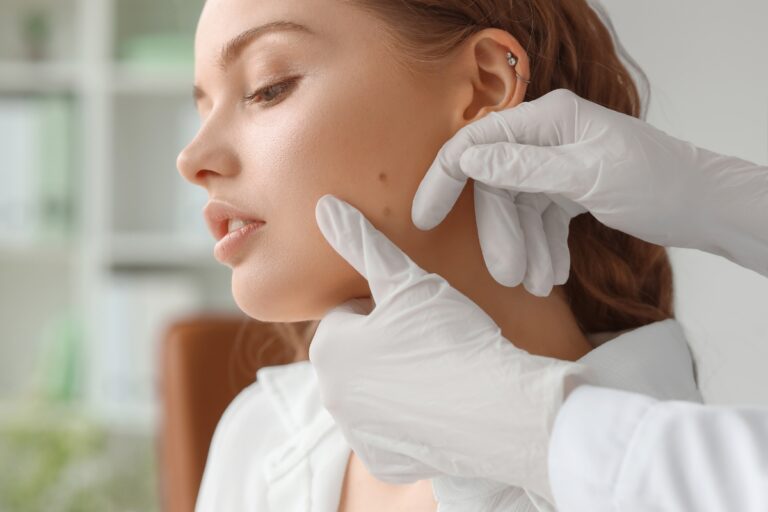
A dermatologist may conduct a biopsy with a tiny sample of your skin.
How To Prevent Skin Cancer?
With proper measures, you can reduce the likelihood of developing skin cancer in the future. Here is what you can do:
- Apply sunscreen every day. A broad-spectrum sunscreen with an SPF of 30 or above can protect you against damaging UV radiation.
- Avoid direct sunlight between 10 a.m. and 4 p.m., when it is strongest.
- Physical barriers against UV damage like hats, sunglasses, and protective apparel can help.
- Avoid tanning beds because artificial UV radiation can be as dangerous as the sun.
- UV exposure occurs year-round, so sun protection isn’t just for the summer.
Skin cancer can creep up on you very silently. If you see something suspicious, see a dermatologist immediately. They can use specialized tools and methods to clear your doubts. Early intervention can also improve your chances of complete recovery.
Not sure about that spot on your skin? Contact us today for assistance.