
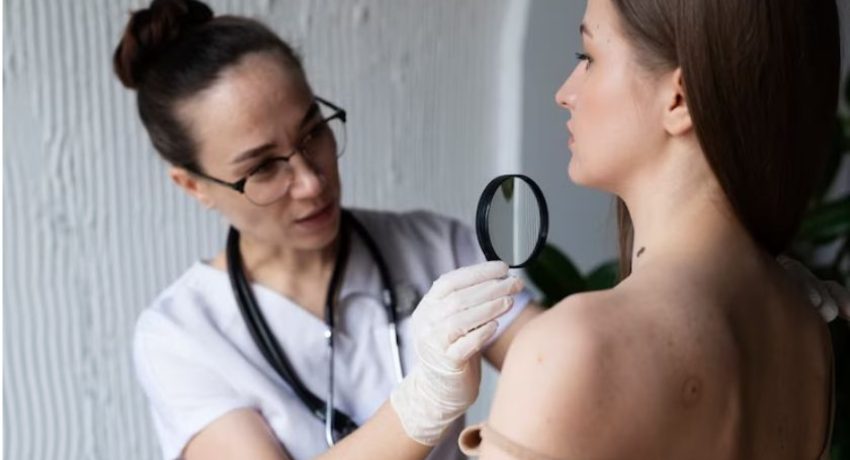

Skin cancer and how dermatologists can play a crucial role in its diagnosis and treatment. Skin cancer is a serious condition that affects millions of people worldwide, but thanks to advancements in medical technology and expertise, it is highly treatable if detected early. In this article, we will delve into the different types of skin cancer, explore how it is diagnosed, discuss various treatment options available, and shed light on dermatologists’ invaluable role in combating this disease. So, let’s dive right in and empower ourselves with knowledge about skin cancer!
What Is Skin Cancer?
Skin cancer is a condition that occurs when the skin cells undergo abnormal growth and division. It develops primarily due to prolonged exposure to harmful ultraviolet (UV) radiation from the sun or tanning beds. UV rays can damage the DNA in our skin cells, causing them to mutate and multiply rapidly, leading to cancerous tumors.
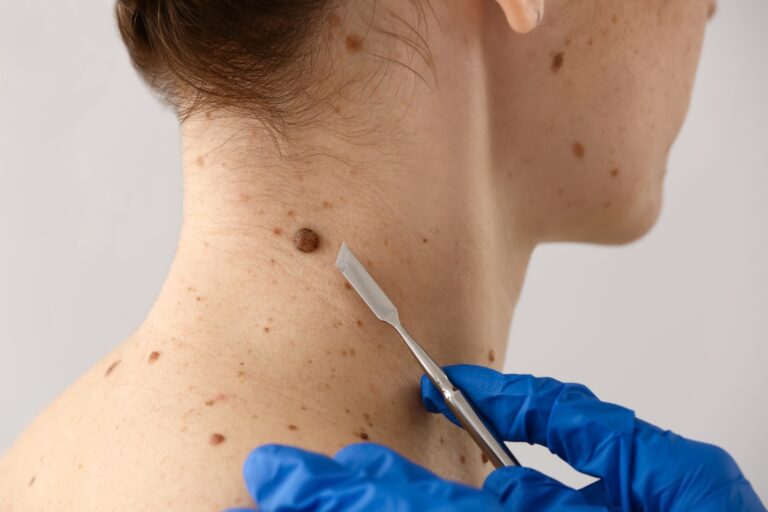
Early detection plays a crucial role in successfully treating skin cancer. Regular self-examinations can help identify changes in moles or new growths on your body’s surface. Dermatologists also play a pivotal role in diagnosing skin cancer through thorough examinations using specialized tools like dermatoscopes.
Stay tuned for more information about how dermatologists contribute significantly towards diagnosing and treating various types of skin cancer!
Types of skin cancer
Skin cancer is a prevalent condition that affects millions of people worldwide. It occurs when skin cell growth is abnormal, usually caused by exposure to ultraviolet (UV) radiation from the sun or tanning beds. There are several types of skin cancer, each with its characteristics and potential risks.
The most common type of skin cancer is basal cell carcinoma (BCC). BCC typically appears as a small, shiny bump or a red patch on the skin. It grows slowly and rarely spreads to other parts of the body. Squamous cell carcinoma (SCC) is another type that often develops in areas exposed to the sun, such as the face and hands. SCC may appear as a scaly red patch or an elevated growth.
Melanoma, although less common than BCC and SCC, is considered the most dangerous form of skin cancer due to its ability to spread rapidly to other organs in the body. Melanoma usually starts as an irregular mole or dark spot that changes in size, shape, or color over time.
Less common types include Merkel cell carcinoma and dermatofibrosarcoma protuberans (DFSP), both rare but aggressive forms of skin cancer.
Individuals must be aware of these different types to monitor their skin for suspicious changes. Regular self-examinations and visits to a dermatologist can help detect early signs of any potential issues.
Treatment For Skin Cancer
Treatment for skin cancer depends on the type, stage, and location of the cancer. Dermatologists and oncologists employ various methods to combat skin cancer effectively.
Surgical Excision: Removing the cancerous tissue and a margin of healthy skin helps ensure complete tumor removal.
Mohs Surgery: A specialized procedure that gradually removes cancer layer by layer, minimizing damage to healthy tissue and particularly useful for large or recurrent tumors.
Radiation Therapy: High-energy rays target cancer cells as the primary treatment or after surgery to destroy any remaining cancer cells.
Cryotherapy: Freezing cancer cells with liquid nitrogen, often used for precancerous growths or small skin cancers.
Topical Medications: Creams or gels containing medications like imiquimod or 5-fluorouracil may be prescribed for certain superficial skin cancers.
Photodynamic Therapy: Combining light and a photosensitizing agent to destroy cancer cells, used for superficial cancers and pre-cancerous lesions.
Immunotherapy: Stimulating the body’s immune system to recognize and attack cancer cells effectively.
Targeted Therapy: Using drugs that target specific molecules involved in cancer growth to block their action.
Chemotherapy: Systemic medications that destroy rapidly dividing cancer cells throughout the body.
Supportive Care: Alongside medical treatments, addressing pain management, wound care, and emotional support is essential to improve the patient’s quality of life during treatment.
The choice of treatment depends on individual factors, and in many cases, a combination of therapies is used to ensure the best possible outcome in the fight against skin cancer. Regular follow-up visits with healthcare providers are vital for monitoring progress and detecting potential recurrence.
Dermatologists And Skin Cancer
Dermatologists play a crucial role in the detection and treatment of skin cancer. With their specialized training and expertise, they are well-equipped to identify any suspicious moles or growths on your skin.
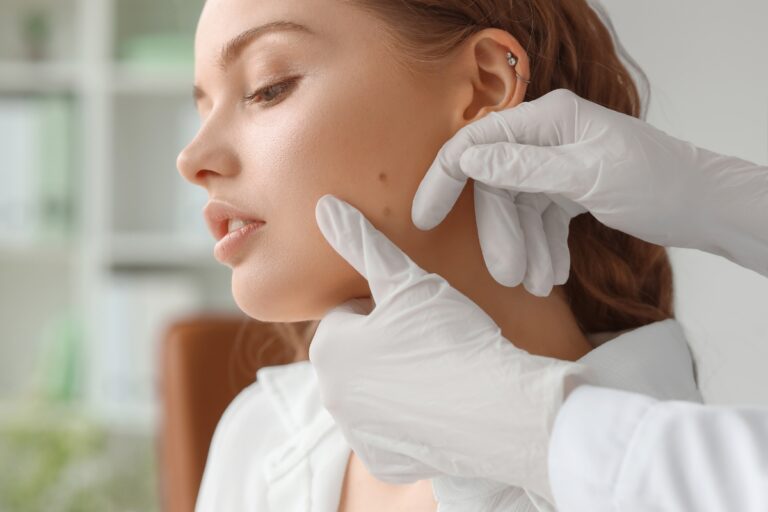
When diagnosing skin cancer, dermatologists use various techniques such as visual inspection, dermoscopy (using a magnifying instrument), and even performing biopsies if necessary. By carefully examining the affected area, they can determine whether or not it is cancerous.
If you receive a diagnosis of skin cancer, don’t panic! Dermatologists are at the forefront of providing effective treatments for this disease. Depending on the type and stage of your skin cancer, treatment options may include surgical removal, radiation therapy, chemotherapy creams, or targeted therapies.
Furthermore, dermatologists emphasize the importance of prevention and early detection of skin cancer. They can educate you about proper sun protection measures like wearing sunscreen and protective clothing and avoiding excessive UV exposure.
Consulting with a dermatologist is crucial for anyone concerned about their risk of developing or already diagnosed with skin cancer. Their expertise can make all the difference in ensuring timely diagnosis and appropriate treatment options tailored to your specific needs.
Dermatologists play a crucial role in detecting, diagnosing, and treating skin cancer. With their expertise and specialized training, they can accurately identify suspicious moles or lesions on your skin and perform biopsies to confirm the presence of cancer cells.
If you notice any changes in your skin, such as new growths or changes in existing moles or freckles that concern you, don’t hesitate to schedule an appointment with a dermatologist. They have the knowledge and tools necessary to provide you with expert care and guide you through managing and treating any form of skin cancer.
Source: American Academy of Dermatology
At the end of the day, taking care of your skin health should be a priority. By partnering with a trusted dermatologist specializing in detecting and treating skin cancers like basal cell carcinoma (melanoma or squamous cell carcinoma), you can ensure that you’re doing everything possible to protect yourself against this potentially life-threatening disease.
So why wait? Schedule an appointment today! Your future self will thank you for taking proactive steps toward preserving beautiful and healthy-looking skin throughout all stages of life.