

Adult breakouts are common and manageable. Acne affects up to 50 million Americans each year, and many women continue to struggle with this skin concern even in their 30s, 40s, and 50s.
You’re not alone, and you’re not “doing skincare wrong.” The goal is a routine, effective treatment plan that fits the local weather and your hormones alike.
Why humidity can make breakouts worse
Hot, damp air increases sweating and can boost sebum production in the skin. That mix, along with occlusive foundation or heavy SPF, seals pores and leads to inflammation. Clinical research links hot temperature and high humidity to acne breakouts, especially in high temperatures.
Takeaway: light makeup layers and routine cleansing are a must for Alexandria residents.
What works to treat hormonal acne?
Daily routine formulated for humidity
- Use a gentle, pH-neutral gel cleanser morning and evening. Wipe off sweat immediately after exercising, then apply moisturizer.
- Nothing beats the effectiveness of a lightweight, oil-free moisturizer with humectants. Use thick occlusives only during dry months or only on dry spots.
- Always opt for mineral or non-comedogenic sunscreen with SPF 30+ daily. Choose zinc oxide-rich sunblocks that are “oil-free.”
- Night-time treatments: Include a retinoid in your skincare routine for texture and comedones, and benzoyl peroxide or azelaic acid for the inflamed bumps. Start slowly with a little amount, and upgrade to more to avoid irritation.
Hormone-targeting therapies
For many adults, androgens drive oil production. Two with superb clinical support:
Oral spironolactone for appropriate female patients. A randomized controlled trial showed better outcomes than placebo by 24 weeks and positions spironolactone as an alternative to long courses of oral antibiotics.
Topical clascoterone 1% cream (an androgen-receptor blocker) reduces inflammatory lesions with a favorable safety profile.
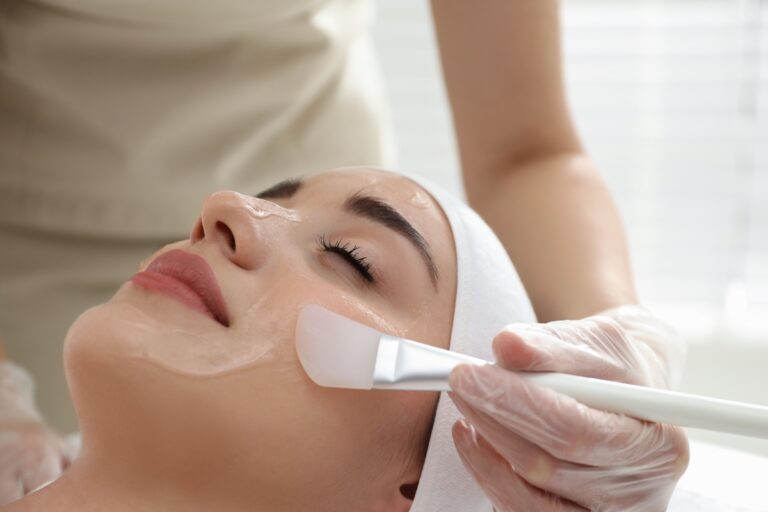
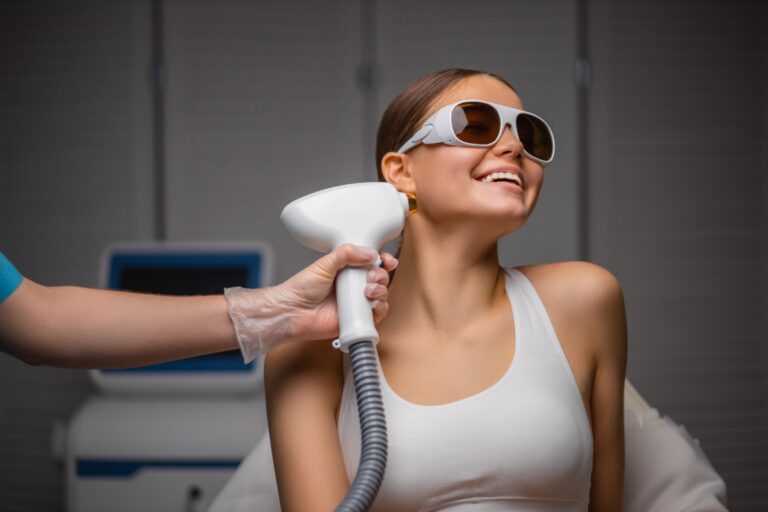
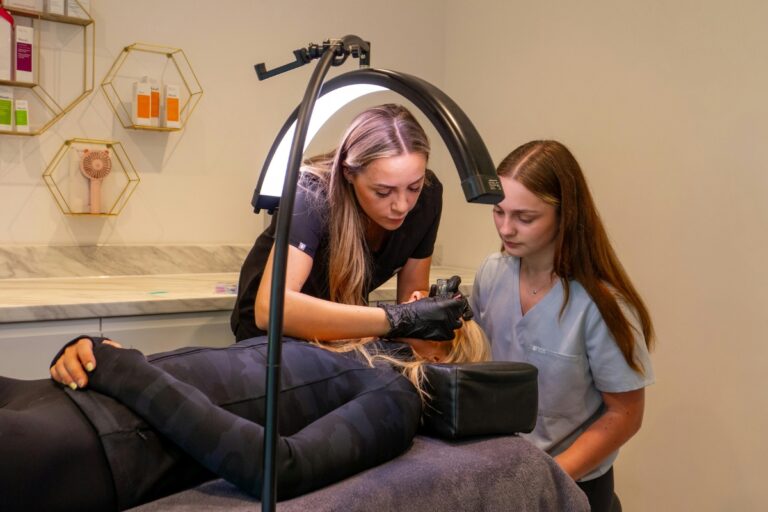
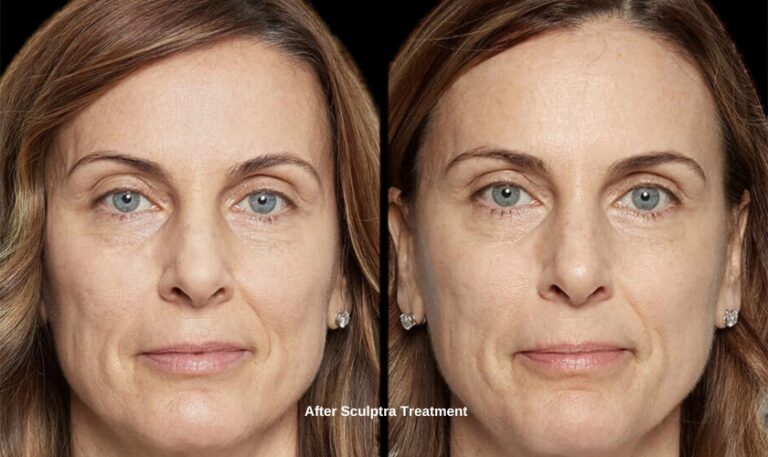
Pair those with in-office care that suits humid-prone skin: chemical peels, laser and light treatments, and post-acne-scar options like microneedling (Secret RF) and DiamondGlow facials offered at Cenla Dermatology. These can smooth texture, reduce discoloration, and support clearer pores when combined with home care.
Mid-journey check: if you’re unsure where to start, a dermatologist in Alexandria can customize medications and procedures around your work, climate, and skin goals.
Hormonal timing tips
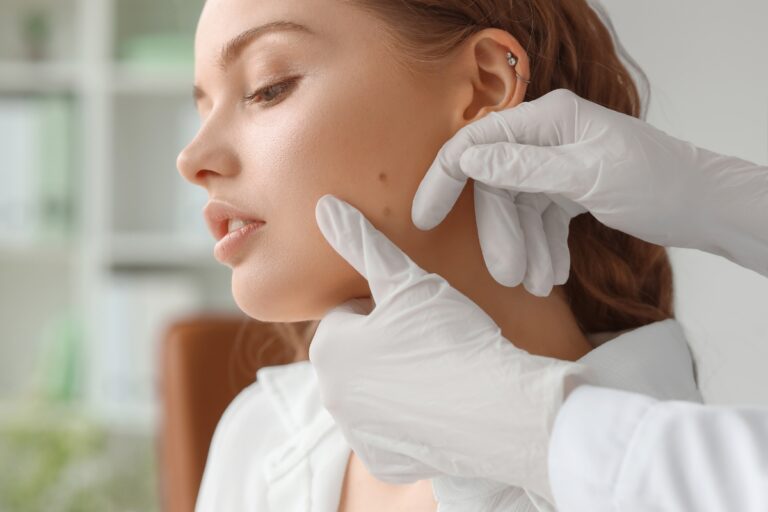
Women often experience flare-ups a week before their menstrual cycle. Plan your routine: increase benzoyl peroxide for spot treatment, keep makeup minimal, sleep more, and eat more wholesome foods. If breakouts cluster on the lower face or jawline, discuss that pattern during your dermatologist visit to guide therapy..
Smart habits that calm pores
Change from thick balms to summer-friendly gels. Wash hats and pillowcases weekly. Apply non-comedogenic makeup on your face and remove it every night before bedtime. Manage friction from tight collars or chin straps. Small changes remove the “sweat plus oil plus occlusion” cycle of flare-ups.
When it’s time to get help
Painful nodules, dark marks that don’t go away, or early signs of scarring deserve a clinic visit. Acne is common and treatable – treatments work best when matched to your hormones, skin type, and local climate. Cenla Dermatology offers prescription care, peels, laser and light therapies, and scar remodeling so you can move from constant patch-ups to a steady plan. Book an appointment with our team in Alexandria to create a personalized plan that works for you.