

Skin cancer is a growing concern worldwide, with millions of new cases diagnosed each year. Despite its prevalence, many people remain unaware that they have skin cancer until it has progressed significantly. This can be due to a variety of reasons, including lack of noticeable symptoms, misinterpretation of signs, or simply not considering that a persistent spot could be harmful. In this blog, we’ll explore how long you can have skin cancer without knowing, the types of skin cancer, their symptoms, and the importance of early detection and regular skin checks.
Understanding Skin Cancer
Skin cancer occurs when skin cells grow uncontrollably. It is primarily caused by damage from ultraviolet (UV) radiation from the sun or tanning beds. There are three main types of skin cancer:
- Basal Cell Carcinoma (BCC): This is the most common form of skin cancer, often appearing as a translucent bump on the skin, though it can also look like a flat, flesh-colored or brown scar-like lesion.
- Squamous Cell Carcinoma (SCC): This type typically presents as a red, scaly patch, a firm red nodule, or a flat lesion with a scaly, crusted surface. It often occurs on sun-exposed areas of the body.
- Melanoma: The most dangerous form of skin cancer, melanoma can develop anywhere on the body, often as a new dark spot or an existing mole that changes in color, size, or shape.
How Long Can Skin Cancer Go Unnoticed?
The duration that skin cancer can go unnoticed varies significantly depending on the type of cancer, its location, and individual differences in skin type and behavior.
Basal Cell Carcinoma
BCCs grow very slowly and may take years to become noticeable. They often go unnoticed because they are typically painless and can resemble benign skin conditions such as eczema or psoriasis. Some people might mistake them for a persistent pimple or a harmless skin tag.
Squamous Cell Carcinoma
SCCs can also develop slowly, but they may be more noticeable than BCCs due to their potential to become scaly or ulcerated. However, in its early stages, SCC can be mistaken for other skin conditions, leading to a delay in diagnosis.
Melanoma
Melanoma is more aggressive and can spread quickly. However, it can still go unnoticed for months or even years, particularly if it develops in less visible areas like the scalp, back, or under nails. Early-stage melanomas might look like ordinary moles, making them easy to overlook.
Signs and Symptoms to Watch For
Knowing what to look for can help you catch skin cancer early. Here are some signs and symptoms associated with each type:
- Basal Cell Carcinoma: Pearly or waxy bump, flat flesh-colored or brown scar-like lesion, bleeding or scabbing sore that heals and returns.
- Squamous Cell Carcinoma: Firm red nodule, flat lesion with a scaly, crusted surface, new sore or raised area on an old scar or ulcer, rough, scaly patch on the lip that may evolve to an open sore.
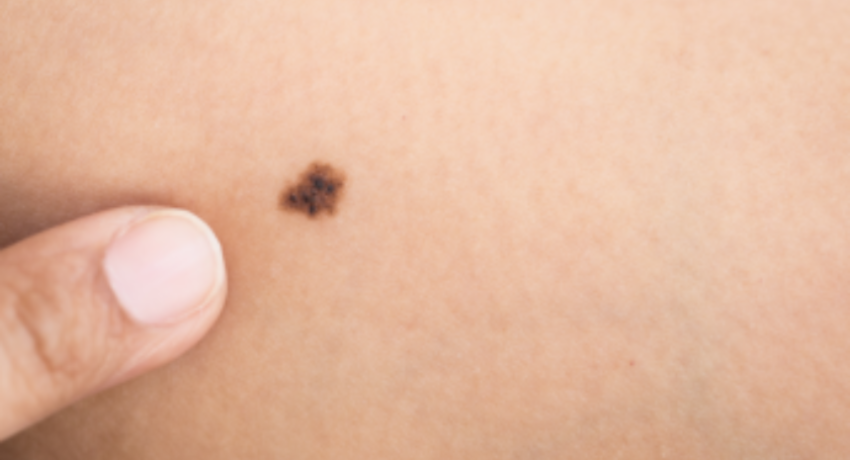
- Melanoma: Large brownish spot with darker speckles, mole that changes in color, size or feel, or that bleeds, small lesion with an irregular border and portions that appear red, white, blue or blue-black.
Importance of Regular Skin Checks
Regular self-examinations and professional skin checks are crucial in detecting skin cancer early. Here’s why:
- Early Detection Saves Lives: Early-stage skin cancer is much easier to treat and has a higher survival rate. For example, the five-year survival rate for melanoma drops significantly once it spreads beyond the skin.
- Prevention of Severe Complications: Catching cancer early can prevent it from spreading to other parts of the body, where it can become more difficult to treat.
- Cost-Effective Treatment: Early treatment can often be less invasive and less expensive than treating advanced cancer.
Tips for Regular Skin Checks
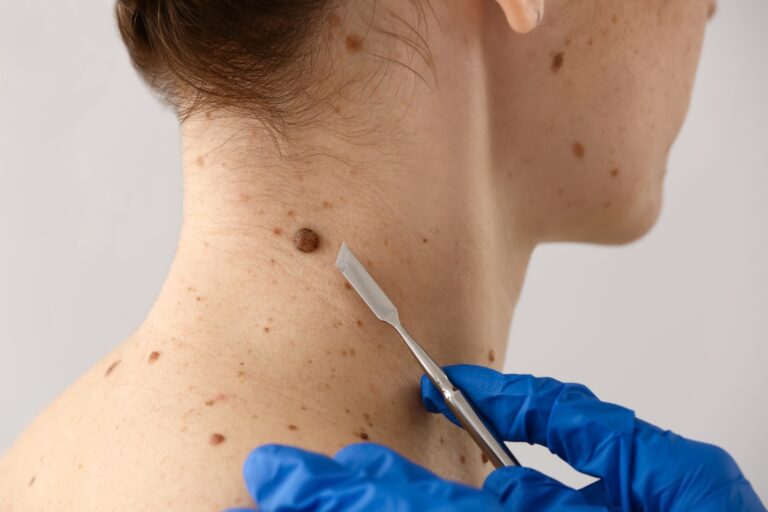
- Self-Exams: Perform a self-exam once a month. Use a mirror to check hard-to-see areas and note any new moles or changes in existing moles.
- Professional Exams: Visit a dermatologist annually for a full-body skin exam. They can identify suspicious spots that you might miss.
- Documentation: Keep a record of your skin changes with photos to help track any developments over time.
Understanding the silent persistence of skin cancer emphasizes the importance of vigilance and regular skin checks. By staying informed and proactive, you can catch skin cancer early and seek timely treatment. Remember, protecting your skin and monitoring any changes is a small price to pay for your health and peace of mind.
FAQs
- How long can skin cancer remain undetected?
Skin cancer can go undetected for years, especially basal cell carcinoma and early-stage melanomas, which may not show noticeable symptoms initially. - What are the early warning signs of skin cancer?
Early signs include new growths, sores that don’t heal, changes in existing moles, and unusual skin spots that change in color, size, or shape. - Can skin cancer appear suddenly?
Yes, particularly melanoma can appear suddenly and change rapidly. It’s crucial to monitor any new or changing spots on your skin. - Is it possible to have skin cancer without any symptoms?
Yes, early-stage skin cancers, especially BCC and SCC, may not cause noticeable symptoms, making regular skin checks essential. - How often should I get my skin checked by a professional?
It’s recommended to have an annual skin check by a dermatologist, especially if you have a history of skin cancer or significant sun exposure. - What should I do if I find a suspicious spot on my skin?
Schedule an appointment with a dermatologist as soon as possible. Early evaluation and diagnosis are critical for effective treatment. - Can skin cancer be prevented?
While not all skin cancers can be prevented, reducing sun exposure, using sunscreen, wearing protective clothing, and avoiding tanning beds can significantly lower your risk.