

Is your psoriasis flaring up because of seasonal changes? This is a chronic skin condition that can cause rapid cell turnover along with itching and pain. Though the exact cause still remains unknown, various environmental factors, particularly seasonal changes, can trigger or worsen your symptoms. Being aware can help you become more cautious.
Read this blog to learn the effects of seasons on this serious skin condition.
Why Is Psoriasis Sensitive To Seasons?
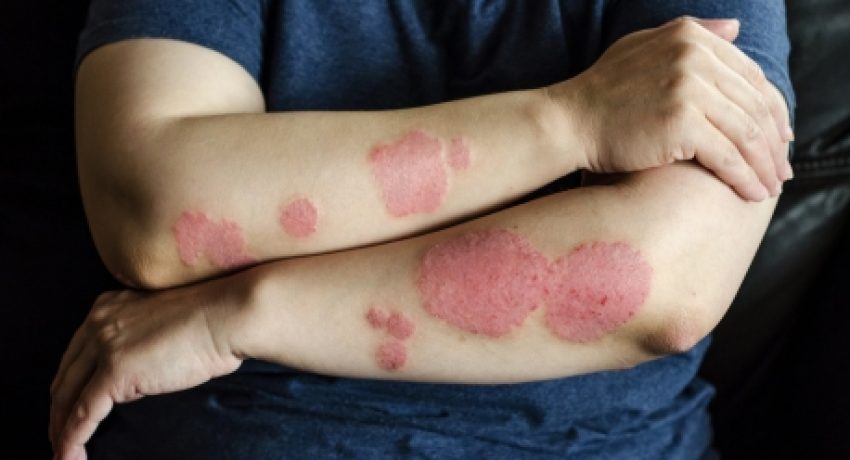
Psoriasis is an immune-related disorder that can speed up the life cycle of your skin cells. These build up on your skin surface. The most common type includes plaque psoriasis, which makes your skin appear inflamed, forming raised patches covered with silvery-white scales.
Different environmental factors, such as temperature, humidity, and sun exposure,e can significantly enhance the symptoms. Sudden weather shifts, allergens, and lifestyle changes can alleviate or exacerbate the condition.
How Can Different Seasons Affect Psoriasis?
Here is how different seasons can affect your skin condition;
Winter Times
Cold temperatures can dry up your skin and make it more susceptible to cracking. Indoor heating can further reduce humidity in the air, further worsening your condition. Reduced sunlight exposure can lead to Vitamin D, triggering flare-ups.
Summer Trouble
Moderate sun exposure can actually benefit your condition by promoting Vitamin D synthesis. Excessive sweating due to summer heat might cause irritation in your skin folds. No matter how tempting, avoid chlorinated pools, as the water can irritate your already damaged skin.
Spring Challenges
Seasonal allergies can increase inflammation, potentially worsening your symptoms. Fluctuating temperatures and humidity levels can make it difficult for you to maintain a skincare routine. Sudden climate changes might trigger your flare-ups.
Seek psoriasis treatment in Alexandria, LA, to deal with extreme flare-ups.
How To Prepare Yourself From Seasonal Changes?
Here is how you can prepare your skin to keep up with the changing seasons:
- During winter, use humidifiers and thick moisturizers to keep your skin hydrated. Soft fabrics like cotton can reduce irritation from harsh materials.
- For summers, you must use sunscreen and limit exposure to 10-15 minutes a day. Use lightweight, breathable clothing to minimize sweat buildup.
- Take antihistamines or air purifiers to protect yourself from allergens. Change your skincare routine and keep a journal to track triggers.
When Should You See A Dermatologist?
If your symptoms continue to persist even after home care, you must see a dermatologist as soon as possible. Severe itching and pain might affect your daily life without timely treatment. A dermatologist can check and determine the best course of action.
They might use a variety of procedures, such as phytotherapy with UV light exposure, to reduce inflammation. The doctor might suggest topical treatments such as corticosteroids, Vitamin D analogs, etc, to alleviate your suffering. You might need biologics and oral treatments for severe cases.
You might also need to make adjustments to your diet and manage stress to stop this condition from spreading even further.
Seasonal changes might severely impact your skin condition, making it essential to adjust your skincare and lifestyle habits. Understanding the seasonal triggers and implementing proactive strategies can help you manage flare-ups and maintain skin health all year round.
Looking for personalized treatment from a dermatologist? Contact us today!