

Sebaceous keratosis, often referred to as “senile warts” or “barnacles of aging,” are noncancerous skin growths that commonly appear as people age. They can be unsightly and sometimes uncomfortable, prompting many individuals to seek ways to remove them. Although sebaceous keratosis is benign, understanding the available treatment options and the underlying causes can help you make informed decisions about managing this common skin condition.
Understanding Sebaceous Keratosis
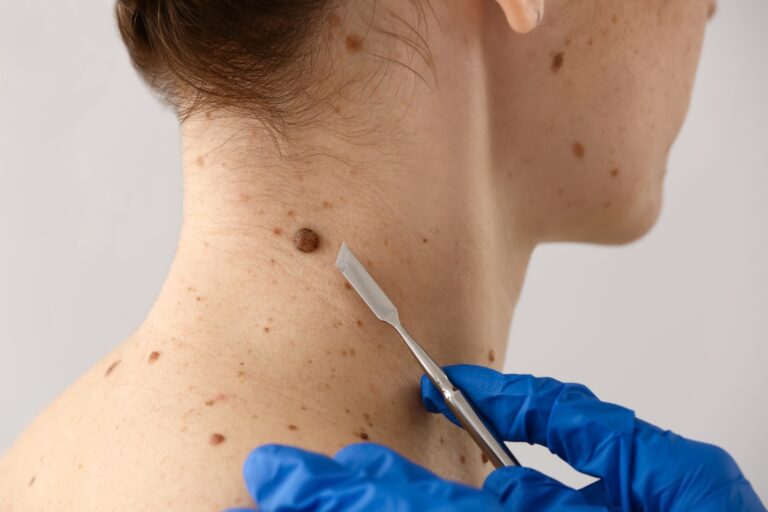
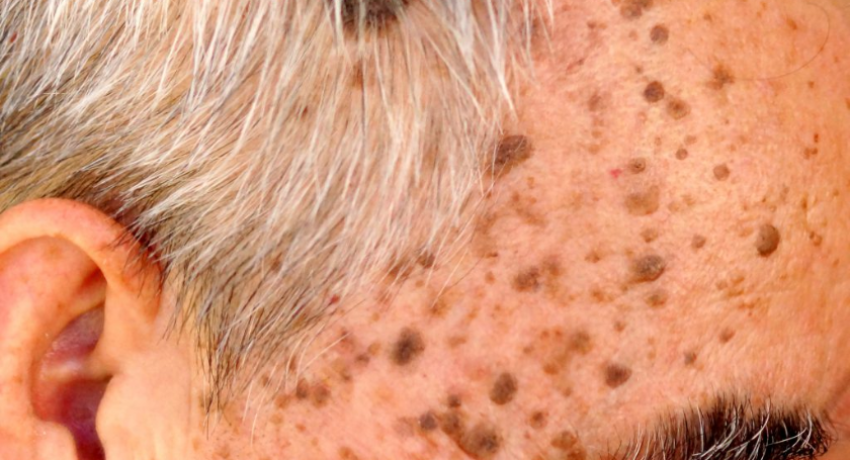
Sebaceous keratosis manifests as raised, wart-like growths on the skin. These growths can vary in color, ranging from light tan to dark brown or black. They often have a waxy, scaly, or slightly elevated appearance, and can develop on any part of the body, though they are most commonly found on the face, chest, shoulders, or back.
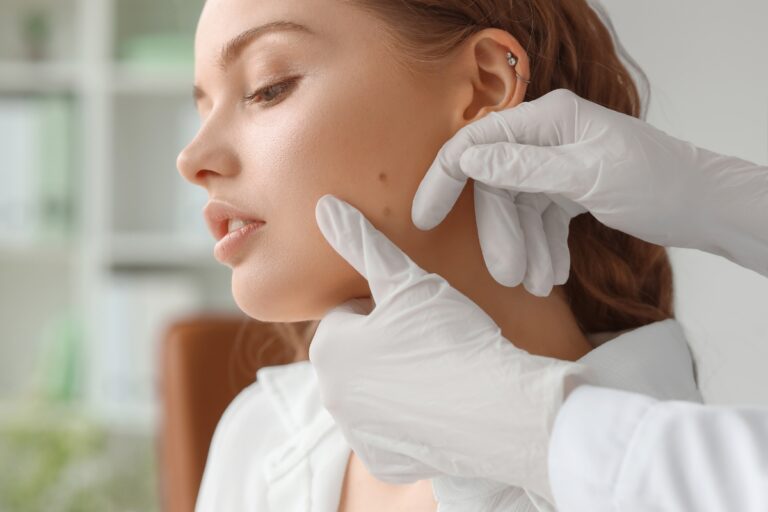
The exact cause of sebaceous keratosis is not fully understood, but genetics and sun exposure are believed to play significant roles. While these growths are usually harmless, they can sometimes be mistaken for skin cancer, making it crucial to seek medical advice for proper diagnosis.
Treatment Options for Sebaceous Keratosis
- Cryotherapy: Cryotherapy involves freezing the sebaceous keratosis with liquid nitrogen. This treatment causes the growth to blister and eventually fall off. It is a quick and effective method, though multiple sessions may be necessary for larger or multiple growths.
- Electrocautery: Electrocautery uses electric currents to burn off the growth. A local anesthetic is applied to minimize discomfort. This method is effective but may leave a small scar.
- Curettage: Curettage involves scraping off the growth with a surgical instrument called a curette. This procedure is often combined with electrocautery to ensure complete removal.
- Laser Therapy: Laser therapy uses focused light beams to target and remove sebaceous keratosis. It is precise and typically leaves minimal scarring. This method is particularly useful for larger areas or multiple growths.
- Topical Treatments: Certain topical treatments, such as hydrogen peroxide solutions, have been approved for treating sebaceous keratosis. These solutions are applied directly to the growths, causing them to shrink and eventually disappear.
- Home Remedies: Some individuals opt for natural remedies, such as applying tea tree oil, aloe vera, or apple cider vinegar. While these methods are not scientifically proven to be effective, they may offer relief for some people.
Prevention Tips
While sebaceous keratosis cannot be entirely prevented, there are steps you can take to reduce your risk:
- Sun Protection: Regularly use sunscreen with high SPF to protect your skin from harmful UV rays.
- Skin Care Routine: Maintain a consistent skin care routine to keep your skin healthy and moisturized.
- Regular Check-ups: Schedule regular dermatological check-ups, especially if you notice new growths or changes in existing ones.
Sebaceous keratosis is a common, benign skin condition that can be effectively managed with various treatment options. From medical procedures like cryotherapy and laser therapy to home remedies, there are numerous ways to address these growths based on your comfort and the severity of the condition. Always consult with a dermatologist to determine the best course of action for your specific situation. By understanding the available treatments and taking preventive measures, you can maintain healthier, clearer skin.
FAQs
- What is sebaceous keratosis?
Sebaceous keratosis is a benign skin growth that appears as raised, wart-like spots. They are usually noncancerous and vary in color from tan to black. - Are sebaceous keratosis growths dangerous?
No, sebaceous keratosis is generally harmless. However, they can sometimes resemble skin cancer, so it’s essential to have them checked by a dermatologist. - Can sebaceous keratosis be removed at home?
While some people try home remedies, professional medical treatments are more effective and safer for removing sebaceous keratosis. - Does insurance cover the removal of sebaceous keratosis?
Insurance coverage varies. Removal is often considered cosmetic, but if the growths cause irritation or other issues, insurance may cover the procedure. - Can sebaceous keratosis recur after removal?
Yes, it is possible for sebaceous keratosis to recur after removal, especially if the underlying causes are not addressed. - What causes sebaceous keratosis?
The exact cause is unknown, but genetics and sun exposure are significant factors. They are more common as people age. - How can I prevent sebaceous keratosis?
While prevention is not entirely possible, protecting your skin from the sun and maintaining a good skincare routine can help reduce the risk.