

Skin cancer remains the most common cancer in the US. Early detection saves lives. A board-certified Alexandria-based dermatologist offers life-saving advice on how to spot warning signs.
Over 9,500 Americans develop skin cancer every day. Ignoring suspicious changes in the skin can lead to invasive procedures or worse. Early detection is covered in this blog post, along with the ABCDE technique of melanoma detection and who’s most at risk. Readers will also be aware of when to visit a dermatologist for professional screening.
Why Early Detection Is Important
Swift diagnosis results in rapid treatment and significantly lower chances of complications. A dermatologist can diagnose precancerous changes early enough before they develop.
Skin cancers are made up of basal cell carcinoma, squamous cell carcinoma, and melanoma. The most common and the least dangerous type is basal cell carcinoma. Invasive squamous cell carcinoma is also a fast-growing form. Therefore, immediate action must be taken. Melanoma is uncommon, but deadly if detected late.
Virginia’s sunny climate has plenty of harmful UV exposure. People are at higher risk because of outdoor stuff, namely, lots of sun.
Common Early Signs of Skin Cancer
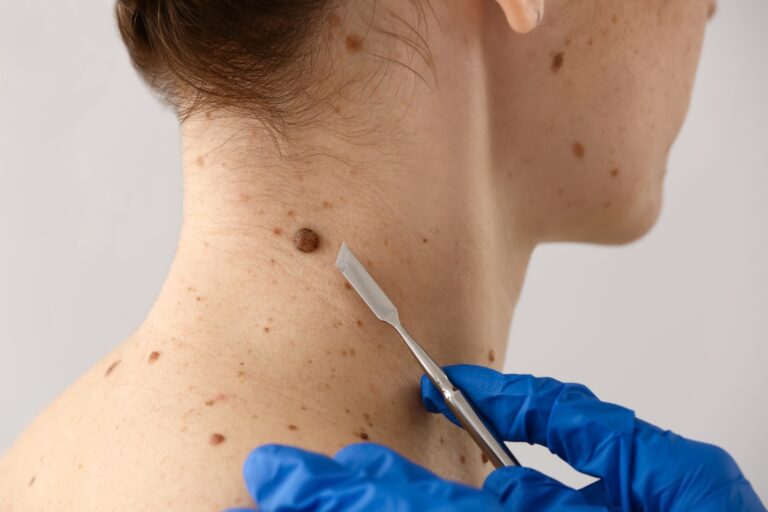
A professional dermatologist in Alexandria recommends using the ABCDE rule for melanoma. A stands for Asymmetry, where one half of the mole differs from the other half. B stands for Border irregularity, where the borders become blurred or irregular. C stands for Color variation, where brown, black, or red colors mix in a particular spot. D stands for Diameter more than 6mm, which suggests malignancy. E stands for Evolving, where moles develop in terms of size, color, or shape.
Non-melanoma cancers present unique signs. Persistent scaly patches may indicate squamous cell carcinoma. Pearly or waxy nodules often suggest basal cell carcinoma. Sores that don’t heal or bleed without reason also require prompt evaluation.
Who’s at Risk?
People with fair or freckled skin are at greater risk of skin cancer. According to dermatologists, childhood sunburn increases a person’s lifetime risk of melanoma. Those who utilize tanning beds expose skin to concentrated UV radiation, which generates premature damage. A family history also heightens the risk of cancerous skin lesions.
Alexandria’s waterfront weather attracts outdoor enthusiasts, increasing exposure to UV rays. Those who spend time on trails and waterfront areas must be extra cautious. Older individuals and those with weakened immune systems are also at higher risk.
When to See a Dermatologist?
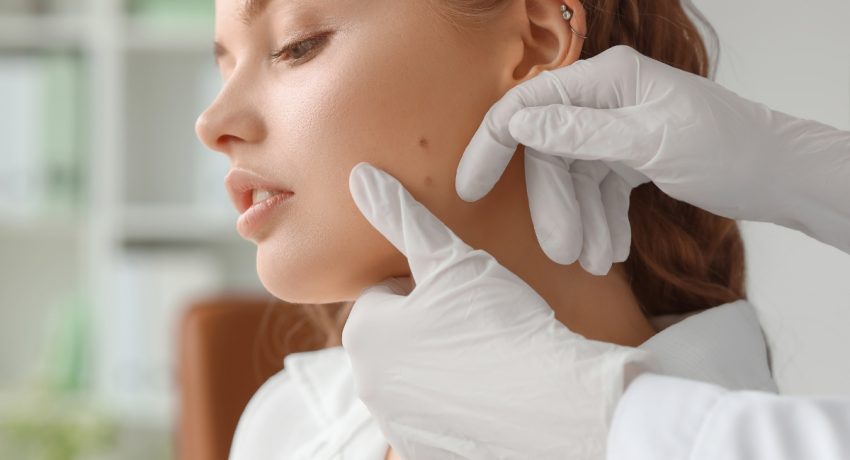
Monthly self-examinations are important to detect abnormal moles or growths. You must see a dermatologist if a mole changes, itches, or bleeds. Professional evaluation becomes vital when suspicious spots persist for more than two weeks.
A qualified dermatologist uses dermoscopy to examine skin under close magnification for subtle alterations. Routine annual skin checks are highly recommended for adults with elevated risk factors. Early appointments effectively prevent late stages and invasive interventions.
Routine vigilance can be lifesaving. Skin cancer detected early is generally completely curable. A dermatologist can evaluate suspicious lesions and provide expert guidance.
Schedule an appointment today for a skin examination with our Alexandria dermatologists.