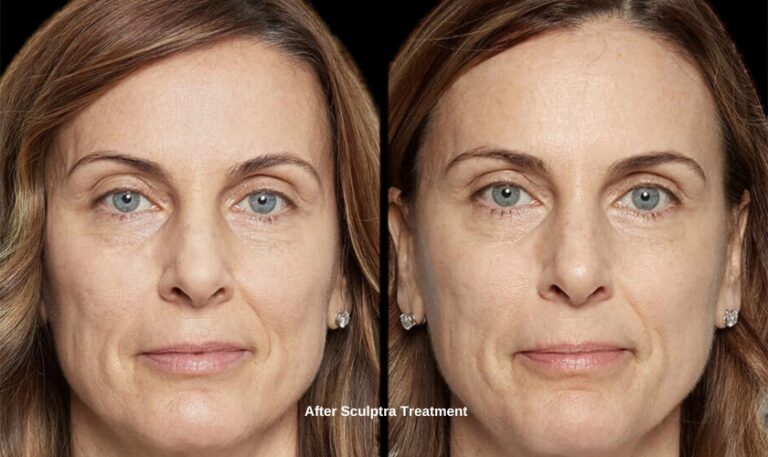

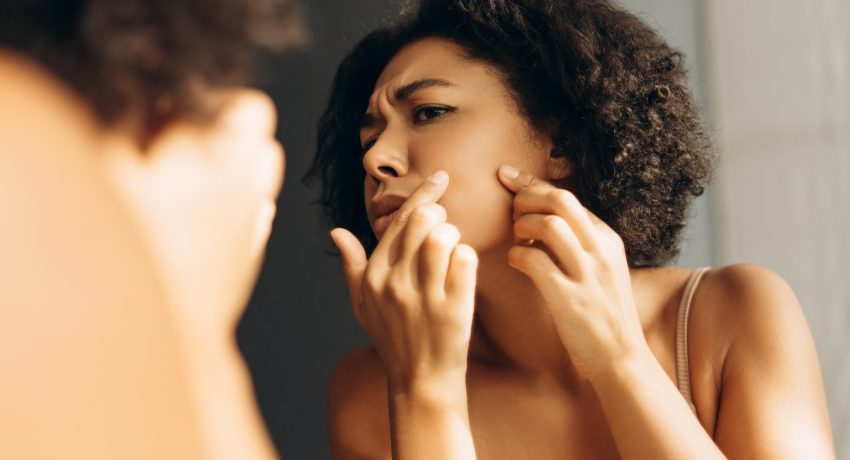

Acne may fade, but scars can stay for years. Long after breakouts calm down, uneven texture, small pits, or raised areas can continue to affect how your skin looks and feels. Many people find that makeup settles into indentations, lighting highlights uneven spots, and confidence takes a quiet hit.
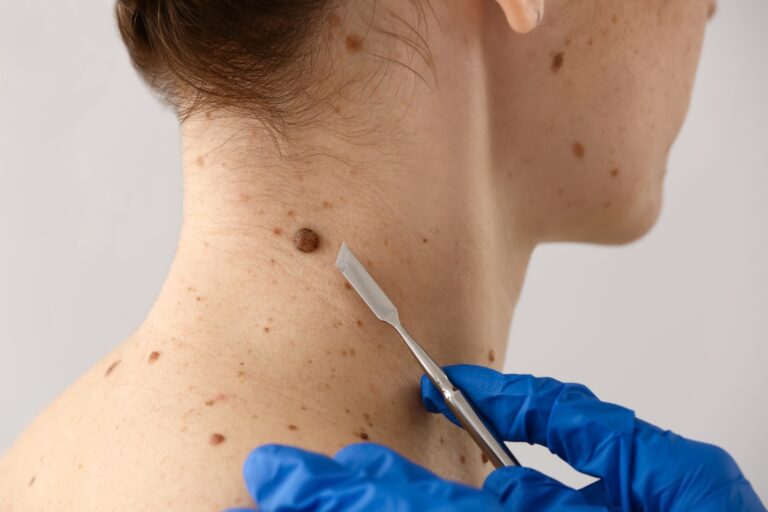
Not all acne scars are the same. Some are deep and narrow. Others are broad and shallow. Some rise above the skin. Knowing the difference matters. If you are exploring advanced skin treatments or even professional spot removal options in Central Louisiana, understanding your scar type is the first step.
This guide explains why scars form, how to identify them, and which treatments work best so you can make informed decisions about your skin.
Why Acne Scars Form in the First Place
Acne scars develop when inflammation damages the skin’s deeper layers. Severe breakouts trigger an immune response. As the body tries to repair the area, collagen production becomes disrupted. Too little collagen leads to depressed scars. Too much results in raised scars.
Picking or squeezing pimples increases trauma. It pushes bacteria and debris deeper into the skin and worsens inflammation. Delayed treatment also plays a role. The longer cystic or nodular acne remains active, the higher the risk of permanent texture changes.
Genetics and skin type influence outcomes as well. Some people naturally produce more collagen during healing, increasing the risk of hypertrophic or keloid scars. Others may experience pigment changes instead of texture changes.
It is important to distinguish true scars from post-inflammatory hyperpigmentation. PIH appears as dark marks but does not involve structural damage. These marks can fade with time or treatment. True scars involve changes in skin texture and require more targeted approaches.
The 5 Main Types of Acne Scars
Before selecting any treatment, it is critical to identify the exact type of scar present. Acne scars vary in depth, shape, and underlying cause. A procedure that improves one scar pattern may have little effect on another. That is why accurate classification is the foundation of effective treatment.
When the scar type is properly diagnosed, therapy can be targeted to address the structural issue beneath the surface rather than simply smoothing the top layer of skin.
Acne scars are broadly divided into two categories: atrophic (depressed) scars caused by collagen loss and raised scars caused by excess collagen production. Within these groups are five primary patterns that dermatologists commonly evaluate.
Ice Pick Scars
Ice pick scars are deep, narrow, and puncture-like. They appear as small holes on the skin’s surface but often extend deep into the dermis. The opening is typically less than 2 millimeters wide, yet the depth can be significant.
These scars form when severe inflammation destroys collagen and tissue structure. Because of their narrow shape and deep penetration, ice pick scars are considered the most difficult to treat. Surface-based procedures often cannot reach the bottom of the scar. For this reason, they typically require highly targeted techniques that address the depth directly rather than relying solely on resurfacing.
Boxcar Scars
Boxcar scars are wider than ice pick scars and have sharply defined edges. They can be shallow or deep, depending on how much collagen was lost during the healing process. Unlike ice pick scars, their base is broader and more visible.
These scars frequently appear on the cheeks and temples, areas prone to inflammatory acne. Shallow boxcar scars may respond well to resurfacing treatments that stimulate new collagen production. Deeper boxcar scars, however, often require more advanced interventions because the structural loss extends further into the skin. Their defined borders give them a crater-like appearance that can cast shadows under certain lighting.
Rolling Scars
Rolling scars create a wave-like or uneven texture across the skin. Instead of sharp edges, these scars have sloping, gradual depressions that blend into the surrounding tissue.
They develop when fibrous bands form beneath the skin and tether it downward. This pulling effect distorts the surface and creates visible dimpling. The issue lies beneath the surface rather than at the surface itself. Because of this, treatments that only exfoliate or resurface the skin may not be sufficient. Addressing the underlying fibrous attachments is often necessary to restore smoother contours.
Hypertrophic Scars
Hypertrophic scars are raised and firm. Unlike depressed scars that result from collagen loss, these form when the body produces too much collagen during healing.
These scars remain confined within the boundaries of the original acne lesion. They may appear red or darker than the surrounding skin and can feel thick to the touch. Hypertrophic scars are more common on areas such as the chest, back, and jawline. While they can improve over time, targeted treatments are often needed to reduce their height and firmness.
Keloid Scars
Keloid scars are more aggressive than hypertrophic scars. They extend beyond the original acne site and can continue to grow over time.
Keloids result from excessive collagen production and are more common in individuals with darker skin tones. Genetic factors play a significant role in their development. These scars may feel firm, raised, and sometimes tender or itchy. Because they grow beyond the original lesion, they require careful and specialized management to prevent recurrence.
Understanding these five scar types is essential for successful treatment. Once the specific pattern is identified, proper treatment of spot removal in Alexandria can be customized to target the structural cause rather than relying on a general approach.
Treatments That Actually Work for Each Scar Type
Different scars demand different strategies.
Chemical Peels
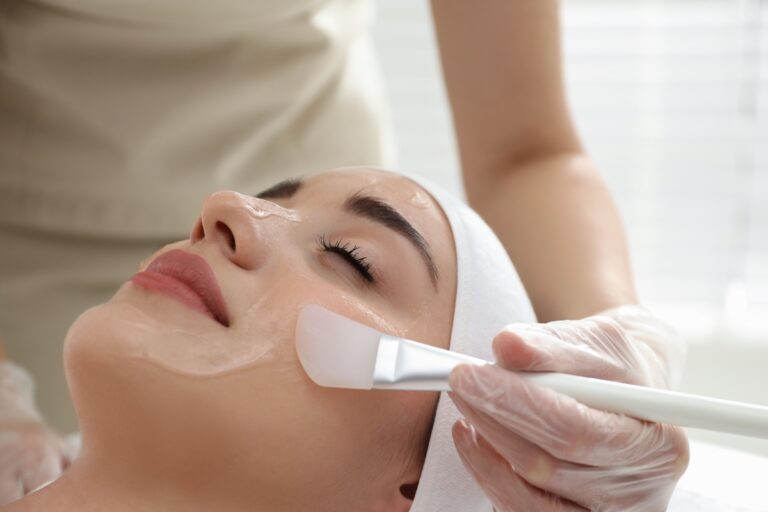
Best for superficial scars and uneven texture. Superficial peels gently exfoliate the top layer. Medium peels penetrate deeper for moderate scars. Deep peels are more aggressive and reserved for select cases.
Microneedling
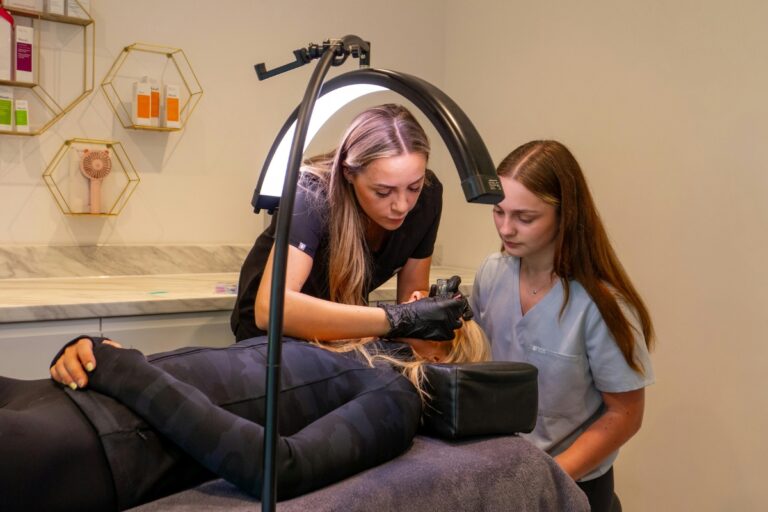
Best for rolling scars and mild boxcar scars. Tiny needles create controlled micro-injuries, stimulating collagen production. Most patients require a series of three to six sessions spaced several weeks apart.
Laser Resurfacing
Best for moderate to deep and mixed scars. Ablative lasers remove outer layers to stimulate significant remodeling. Non-ablative lasers heat underlying tissue without removing skin, offering less downtime.
Subcision
Best for rolling scars caused by fibrotic tethering. A small needle releases the bands pulling the skin downward, allowing the surface to lift and smooth.
Dermal Fillers
Best for depressed scars needing immediate improvement. Fillers raise the scar to skin level. Some options are temporary, while others stimulate longer-term collagen production.
Punch Excision or TCA CROSS
Best for ice pick scars. These targeted techniques treat deep, narrow scars individually because broad treatments are often ineffective.
Steroid Injections
Best for hypertrophic and keloid scars. Corticosteroids reduce excess collagen and help flatten raised tissue.
At Cenla Dermatology and Mohs Surgery, treatment plans are customized based on scar type, skin tone, and healing response.
Combination Therapy Often Gives Better Results
Many patients have more than one scar type. Treating rolling scars alone may leave ice pick scars unchanged. That is why combination therapy is common.
For example, subcision may release tethered areas, followed by microneedling to stimulate collagen and laser resurfacing for refinement. Treatments are often staged over several months to allow healing and collagen remodeling.
Customized planning ensures safer, more predictable outcomes, especially for residents managing sun exposure common in Alexandria’s warm climate.
How Long Does It Take to See Results?
Collagen remodeling is gradual. After microneedling or laser procedures, improvements continue for three to six months. Most patients require multiple sessions for optimal results.
Maintenance treatments may be recommended, especially if acne is still active. Patience matters. Scar revision is a process, not a one-time event. Realistic expectations help prevent frustration.
Can Acne Scars Be Completely Removed?
Complete erasure is rare. Significant improvement is realistic. Treatments aim to soften edges, lift depressions, and refine texture so scars become less noticeable in natural light.
Professional evaluation is essential. An experienced dermatology team can assess depth, scar type, and skin tone to determine safe and effective options for spot removal in Alexandria.
Prevention Is Still the Best Strategy
Early acne treatment reduces inflammation and long-term damage. Avoid picking or squeezing lesions. Daily sunscreen prevents pigment changes from worsening in Louisiana’s strong sun.
Seeking dermatologic care at the first signs of cystic acne can minimize permanent texture changes.
When to See a Specialist
If texture changes persist, scars appear deep, or over-the-counter products fail, professional care is appropriate. Emotional distress is also a valid reason to seek help.
Cenla Dermatology and Mohs Surgery provides advanced evaluation and treatment options for residents across Alexandria and surrounding communities.
The key to successful scar treatment is accurate diagnosis. Each scar type responds differently, and personalized planning makes all the difference.
Modern dermatologic techniques offer meaningful improvement. If acne scars are affecting your confidence or daily life, schedule a consultation with Cenla Dermatology and Mohs Surgery. Smoother, healthier-looking skin is possible with the right approach and expert guidance.
People Also Ask
True acne scars involving texture changes do not disappear naturally. Dark marks may fade over time, but structural scars typically require medical treatment to improve their appearance.
Most treatments are performed with topical numbing to reduce discomfort. Patients may experience mild sensitivity afterward, but downtime and recovery vary depending on the procedure used.
Most acne scar treatments require multiple sessions. Collagen remodeling takes time, so visible improvement typically occurs gradually over several weeks to months.
Yes, when performed by experienced professionals. Treatment plans must be carefully selected to reduce the risk of pigment changes while still stimulating healthy collagen production.
Yes. Ongoing inflammatory acne increases the risk of additional collagen damage. Early and consistent acne treatment helps reduce the likelihood of future scarring.