

Melanoma, a type of skin cancer that develops from pigment-producing cells called melanocytes, is often perceived as one of the most dangerous forms of cancer. With its ability to spread quickly to other parts of the body, melanoma can indeed be life-threatening. However, advancements in medical science and increased awareness have significantly improved the prognosis for many individuals diagnosed with this condition. But the question remains: is melanoma highly curable? This blog delves into the factors that influence melanoma’s curability, exploring the stages of the disease, treatment options, and the critical importance of early detection.
Understanding Melanoma
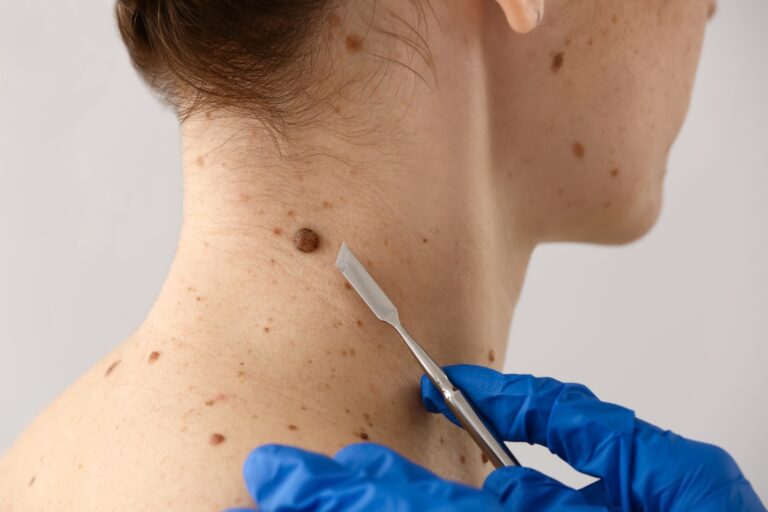
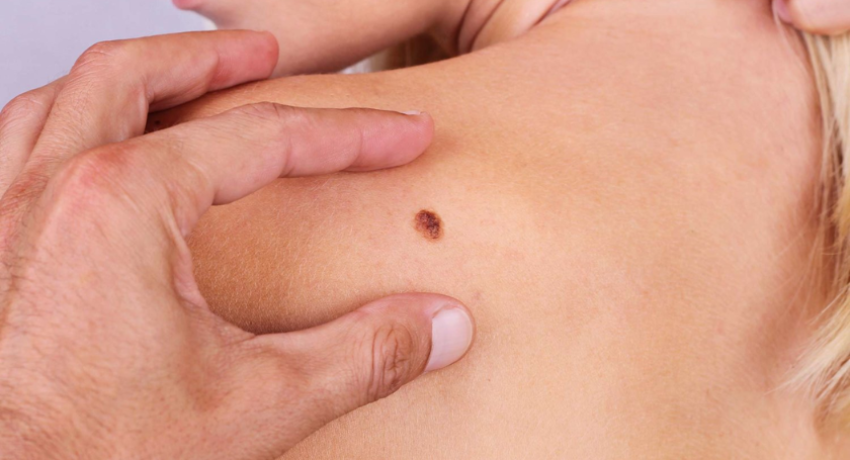
Melanoma begins in melanocytes, the cells responsible for producing melanin, the pigment that gives skin its color. While it can develop anywhere on the skin, it is most commonly found on areas exposed to the sun, such as the face, arms, and legs. However, melanoma can also occur in less visible places, like the soles of the feet, under the nails, and even inside the mouth or on the eyes.
Melanoma is often categorized by its stages, which range from Stage 0 (in situ) to Stage IV, with each stage representing increasing severity and spread. The curability of melanoma is largely determined by the stage at which it is detected. Early-stage melanomas are often highly curable, while later stages pose more significant challenges.
Factors That Influence the Curability of Melanoma
- Early Detection
The most crucial factor in determining whether melanoma is curable is the stage at which it is detected. When caught early, typically at Stage 0 or Stage I, melanoma is confined to the outermost layer of the skin and has not yet spread. At this stage, the cure rate is extremely high, often exceeding 95%. Early detection allows for less invasive treatments and a higher likelihood of complete recovery. - Depth of Invasion (Breslow Thickness)
The Breslow thickness measures the depth of the melanoma from the surface of the skin to the deepest point of tumor invasion. A thinner melanoma (less than 1 mm) is associated with a higher chance of cure, while thicker melanomas (greater than 4 mm) have a lower cure rate due to the increased likelihood of spreading. - Location of the Melanoma
The location of the melanoma can also affect its curability. For instance, melanomas on the arms and legs generally have a better prognosis compared to those on the trunk or head, which may be closer to vital organs. - Lymph Node Involvement
Once melanoma spreads to the lymph nodes, the prognosis becomes more guarded. The presence of melanoma cells in the lymph nodes often indicates that the cancer has started to spread to other parts of the body, making it more challenging to treat and cure. - Genetic Factors
Some genetic mutations, such as those in the BRAF gene, can influence the aggressiveness of melanoma. Targeted therapies have been developed to address these mutations, offering hope even in cases where the melanoma is more advanced. - Immunotherapy and Targeted Therapies
Recent advancements in immunotherapy and targeted therapies have revolutionized melanoma treatment, especially for those with advanced stages. These treatments help the immune system recognize and attack cancer cells more effectively, increasing the chances of long-term remission.
Treatment Options for Melanoma
The treatment of melanoma depends on its stage and other factors, including the patient’s overall health. Common treatments include:
- Surgical Removal
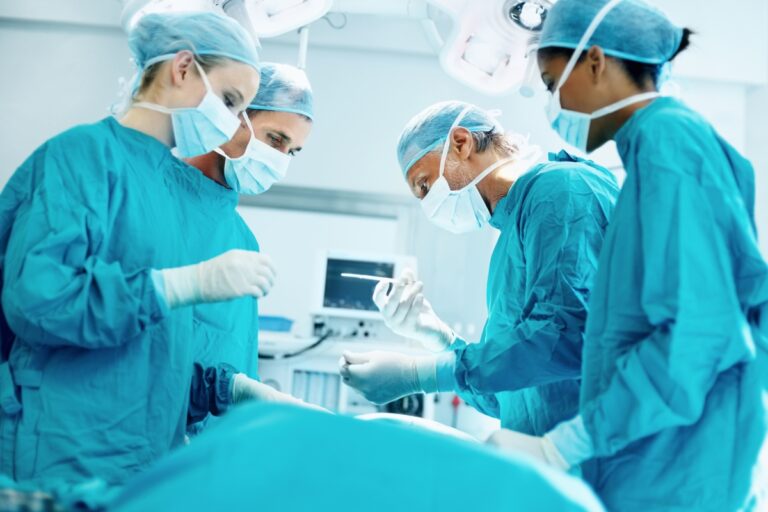
For early-stage melanomas, surgical removal of the tumor and a small margin of surrounding tissue is often sufficient to achieve a cure. The procedure is typically straightforward, and recovery is usually quick. - Sentinel Lymph Node Biopsy
For melanomas that are thicker or have a higher risk of spreading, a sentinel lymph node biopsy may be performed to determine whether the cancer has spread to nearby lymph nodes. If cancer is found, additional treatments may be required. - Immunotherapy
Immunotherapy has become a game-changer for treating advanced melanoma. Drugs like pembrolizumab (Keytruda) and nivolumab (Opdivo) help the immune system recognize and destroy cancer cells, significantly improving survival rates. - Targeted Therapy
For patients with specific genetic mutations, targeted therapy drugs can block the growth of cancer cells. Drugs like vemurafenib (Zelboraf) target the BRAF mutation, slowing the progression of the disease. - Radiation Therapy
In cases where surgery is not an option or when melanoma has spread to other parts of the body, radiation therapy may be used to target and kill cancer cells. - Chemotherapy
Although less commonly used for melanoma, chemotherapy may be an option for advanced cases that do not respond to other treatments.
The Role of Prevention in Melanoma Curability
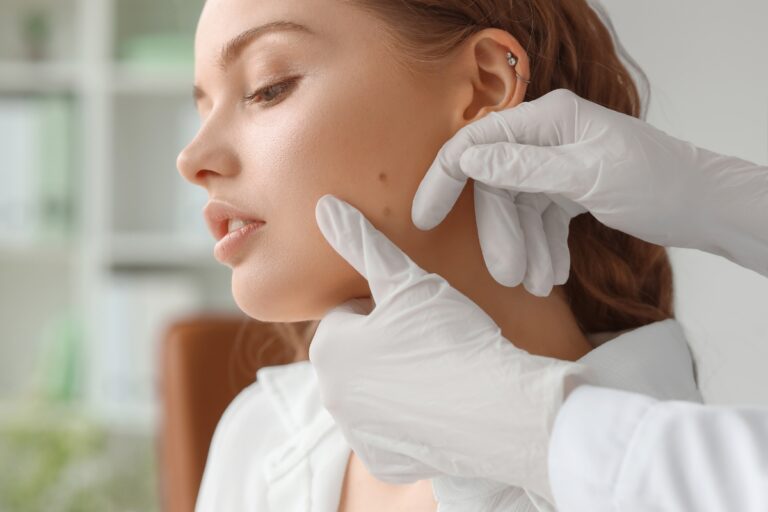
Prevention plays a critical role in reducing the incidence of melanoma and improving its curability. Regular skin checks, both self-examinations and professional evaluations, are essential for catching melanoma early. Protective measures, such as using sunscreen, wearing protective clothing, and avoiding excessive sun exposure, can reduce the risk of developing melanoma in the first place.
So, is melanoma highly curable? The answer depends largely on when the melanoma is detected and how quickly treatment begins. Early-stage melanomas are indeed highly curable, with survival rates that exceed 95%. However, as the disease progresses, the chances of a complete cure diminish. Advancements in medical treatments, including immunotherapy and targeted therapy, have improved outcomes even for more advanced stages, offering hope to many. Nonetheless, early detection remains the most effective strategy for ensuring a favorable outcome. By staying vigilant, protecting your skin, and seeking prompt medical attention for any suspicious changes, you can significantly improve your chances of overcoming melanoma.
FAQs
- Can melanoma be completely cured?
Yes, when detected early and treated promptly, melanoma can often be completely cured. Early-stage melanomas have a high cure rate, exceeding 95%. - What is the survival rate for melanoma?
The survival rate for melanoma varies by stage. Early-stage melanoma has a 5-year survival rate of about 99%, while late-stage melanoma has a lower survival rate, depending on the extent of the spread. - How is melanoma typically treated?
Melanoma is commonly treated with surgery, but depending on the stage, additional treatments like immunotherapy, targeted therapy, radiation, or chemotherapy may be necessary. - What are the signs that melanoma has spread?
Signs that melanoma has spread include the appearance of new lumps under the skin, unexplained weight loss, persistent cough, or neurological symptoms. A healthcare provider can perform tests to confirm if the melanoma has metastasized. - Is melanoma more curable than other skin cancers?
While melanoma is more aggressive than other types of skin cancer, it is highly curable when caught early. However, if it spreads, it becomes more challenging to treat compared to basal cell or squamous cell carcinoma. - Can lifestyle changes improve the curability of melanoma?
While lifestyle changes like avoiding excessive sun exposure and using sunscreen can prevent melanoma, they do not directly impact the curability once melanoma has developed. However, early detection through regular skin checks can improve outcomes. - What should I do if I suspect I have melanoma?
If you notice a new or changing mole, or any other suspicious skin changes, seek medical attention immediately. Early diagnosis and treatment are key to improving the curability of melanoma.