
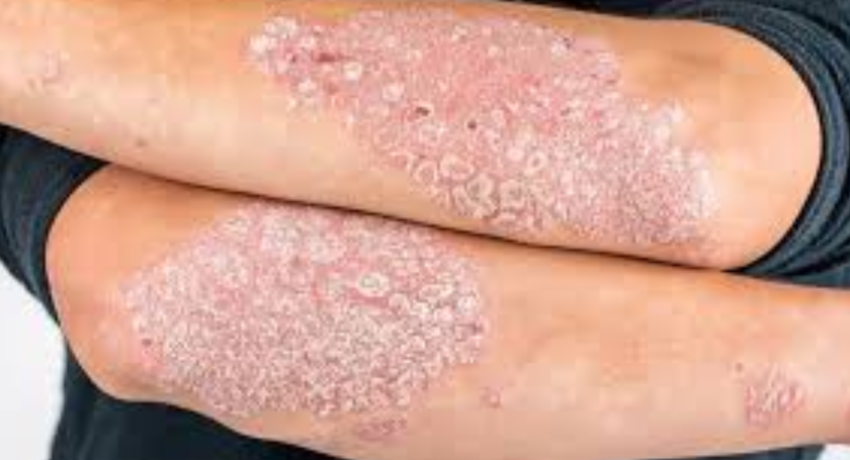

Psoriasis is a chronic autoimmune condition that affects the skin, leading to the rapid growth of skin cells and the formation of scales and red patches. In the management of psoriasis, phototherapy has emerged as a valuable treatment option. Phototherapy involves the use of ultraviolet light to target affected areas of the skin and reduce inflammation and cell overgrowth.
This article provides a comprehensive look at the use of phototherapy for psoriasis treatment in Alexandria, LA including the different types of treatments available, how phototherapy works, its benefits and risks, considerations before starting treatment, tips for managing sessions, integrating phototherapy with other treatments, and the future developments in this field.
Lighten Up! Understanding Phototherapy For Psoriasis
Overview of Psoriasis and Phototherapy
Psoriasis treatment in Alexandria, LA can be a real skin-deep diva, causing itchy, scaly patches that can make you feel like a walking puzzle. Phototherapy, a treatment using light, shines like a beacon of hope for many battling this condition. But how does this light magic work its charm on psoriasis-ridden skin?
Types of Phototherapy Treatments
UVB Phototherapy
Picture yourself basking in the sun, but with a clinical twist. UVB phototherapy exposes your skin to ultraviolet B rays, helping to slow down the growth of wayward skin cells responsible for psoriasis patches.
PUVA (Psoralen plus Ultraviolet A) Therapy
PUVA therapy is like a quirky buddy cop movie starring psoralen and ultraviolet A light. By combining a light-sensitizing medication (psoralen) with UVA rays, this dynamic duo can help kick psoriasis to the curb.
Excimer Laser Therapy
Imagine a tiny lightsaber targeting your psoriasis patches with precision—it’s like a sci-fi dream come true! Excimer laser therapy delivers focused UVB light to zap away plaques, sparing the surrounding skin from collateral damage.
How Phototherapy Works for Psoriasis?
Mechanism of Action
Think of phototherapy as a gentle nudge to your skin cells, reminding them to behave. By slowing down the rapid turnover of skin cells and taming inflammation, phototherapy helps bring balance back to your skin’s ecosystem.
Effects on Psoriatic Skin
Psoriasis loves to throw a tantrum, but phototherapy swoops in like a cool-headed negotiator. It can reduce redness, scale formation, and itching, giving your skin a chance to breathe and heal.
Benefits and Risks of Phototherapy
Benefits of Phototherapy for Psoriasis
Phototherapy isn’t just a one-hit wonder—it’s a treatment rockstar with a slew of benefits. It can improve skin appearance, boost confidence, and even provide long-lasting relief for many battling psoriasis woes.
Potential Risks and Side Effects
Every hero has a kryptonite, and phototherapy is no exception. Possible side effects like redness, itching, and dry skin can put a damper on the light show. It’s essential to work closely with your healthcare provider to minimize risks and maximize the treatment’s effectiveness.
So, if psoriasis has you feeling like a contestant on a skin show gone wrong, remember that phototherapy is here to light up your path to clearer, happier skin.
Considerations Before Starting The Procedure
Candidacy for Phototherapy
Before diving into phototherapy for psoriasis treatment in Alexandria, LA, it’s crucial to determine if you’re a good candidate. Your healthcare provider will consider factors like the type and severity of your psoriasis, as well as any other health conditions you may have. This evaluation ensures that phototherapy is a safe and effective option for you.
Precautions & Contraindications
While phototherapy can work wonders for psoriasis, it’s not without its precautions and contraindications. Factors like skin type, medication interactions, and a history of skin cancer may impact your suitability for phototherapy. Your healthcare team will guide you on any necessary precautions and alternatives if phototherapy isn’t the best fit for you.
Tips for Managing Phototherapy Sessions
Scheduling & Frequency
Consistency is key when it comes to phototherapy. Establishing a regular schedule for your sessions helps maximize the benefits of treatment. Work with your healthcare provider to determine the optimal frequency of sessions based on your individual needs and treatment response.
Skin Protection and Care
While phototherapy can target psoriasis effectively, it’s essential to protect your skin during treatment. Simple steps like moisturizing regularly, avoiding sun exposure outside of treatment sessions, and wearing protective eyewear can help maintain skin health and enhance the outcomes of phototherapy.