
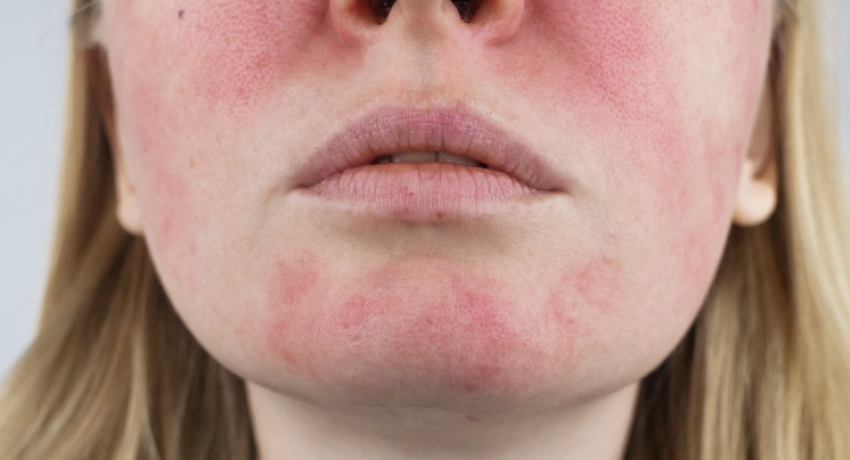

If you’ve noticed redness and irritation on your skin, especially on your face, you may be dealing with rosacea. This common condition affects many people, causing flushing, visible blood vessels, and skin irritation. While rosacea can be challenging, effective treatments and lifestyle changes can help manage the symptoms. Whether it’s avoiding triggers, using proper skincare, or seeking medical advice, there are ways to soothe the discomfort and reduce flare-ups.
Read on for useful tips and treatments to manage rosacea and regain clear, calm skin.
What Is Rosacea and How Does It Affect You?
This is a chronic skin condition that causes redness and visible blood vessels, typically on the face. It can also lead to bumps, pimples, and irritation. While rosacea is not fully understood, it is often triggered by environmental factors like heat, sun exposure, and stress. Hot summers and humidity can aggravate symptoms, making it essential to understand how to manage it effectively.
Common Triggers:
- Sun exposure: The sun can worsen symptoms, causing skin flare-ups.
- Heat and humidity: The city’s warm and humid climate can trigger irritation.
- Stress: Emotional stress is known to cause flare-ups.
- Certain foods and drinks: Spicy foods, alcohol, and hot beverages may make the condition worse.
Effective Treatments for Rosacea
Finding the right treatment for rosacea in Alexandria is crucial for keeping symptoms under control. Whether it’s medication, skincare routines, or lifestyle changes, here are some options to help manage this condition.
1. Topical and Oral Medications
Doctors may prescribe topical creams or oral antibiotics to reduce inflammation and control flare-ups. Common medications include:
- Topical metronidazole: Reduces inflammation and redness.
- Oral antibiotics (e.g., doxycycline): Helps with inflammation and irritation.
- Retinoids: May be prescribed for more severe cases, though they should be used with caution.
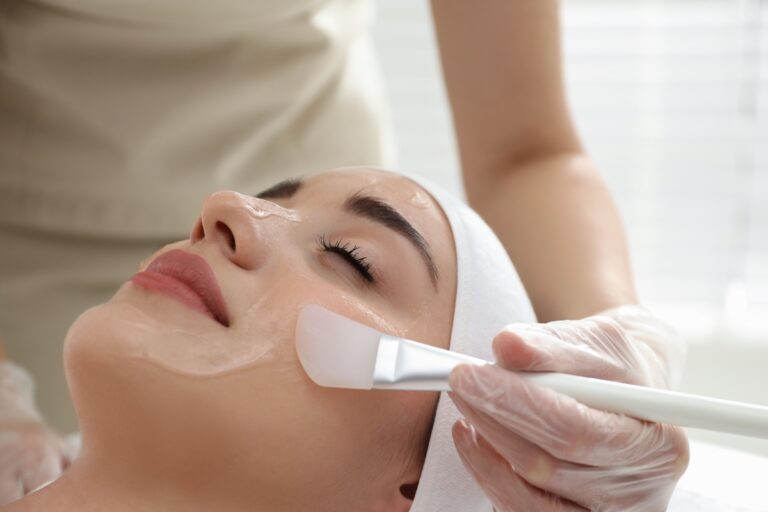
2. Gentle Skincare Routine
For those with rosacea, using the right skincare products can make a world of difference. A gentle skincare routine can reduce irritation and soothe the skin. Consider these tips:
- Use a mild cleanser: Avoid harsh soaps that can dry out or irritate the skin.
- Moisturize regularly: Keeping your skin hydrated can help reduce redness and prevent dryness.
- Avoid exfoliants: Scrubs can be too harsh on sensitive skin, so stick to a gentle exfoliant or avoid it entirely.
- Choose non-comedogenic products: Make sure your makeup and skincare are free from clogging ingredients.
Lifestyle Tips to Manage Rosacea
Managing rosacea in Alexandria isn’t just about medical treatments. Certain lifestyle adjustments can reduce flare-ups and provide relief from redness and irritation.
1. Avoid Sun Exposure
It’s important to protect your skin from the sun. The sun can be a major trigger for rosacea flare-ups, so try these tips:
- Wear a broad-spectrum sunscreen: SPF 30 or higher to shield your skin from UV rays.
- Seek shade: Avoid direct sunlight during peak hours (10 a.m. to 4 p.m.).
- Wear a hat: A wide-brimmed hat can provide additional sun protection.
2. Watch Your Diet
Certain foods can worsen the symptoms, so keeping track of what you eat can help. Common food triggers include:
- Spicy foods: These can cause the skin to flush.
- Hot beverages: Coffee and tea can lead to irritation.
- Alcohol: Wine, beer, and cocktails can cause blood vessels to dilate.
Consider maintaining a balanced, anti-inflammatory diet to help minimize flare-ups.
3. Manage Stress
Stress is a known trigger for rosacea flare-ups, so finding ways to relax is essential. Practice stress-reducing activities like:
- Yoga: Calming poses and breathing exercises can reduce stress.
- Meditation: Mindfulness techniques can promote relaxation.
- Physical activity: Regular exercise helps to relieve stress and improve overall well-being.
When to Seek Professional Help for Rosacea?
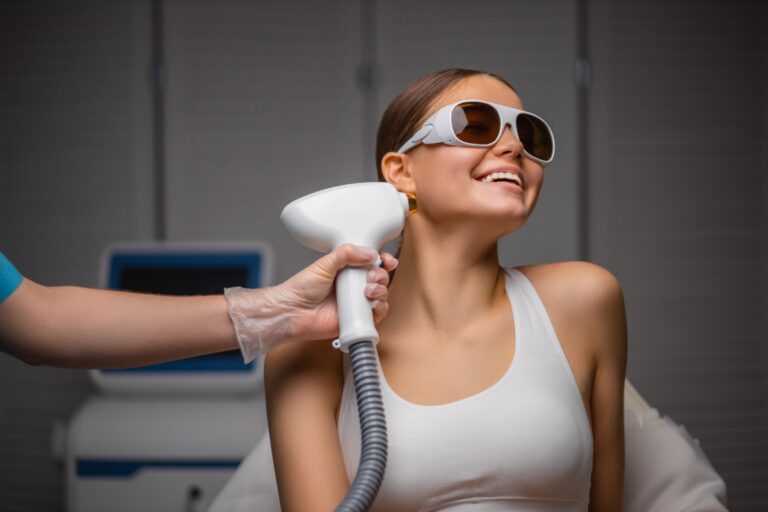
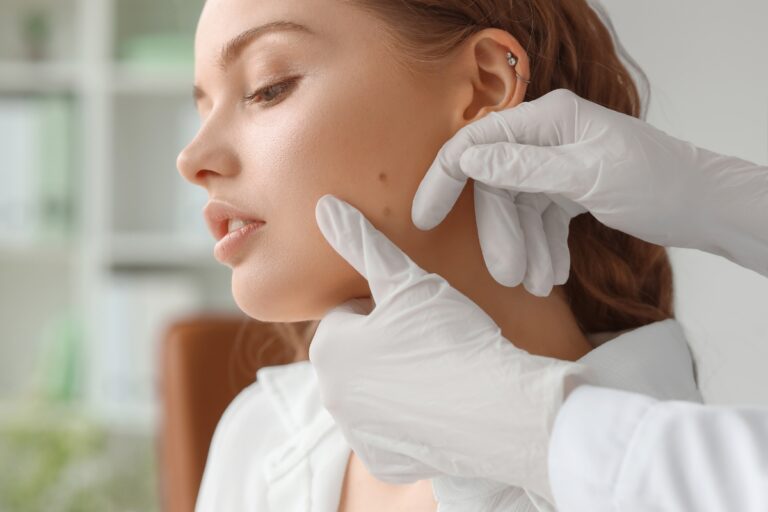
While home remedies and over-the-counter treatments can help manage rosacea, sometimes professional medical care is needed. If you notice severe symptoms or if treatments aren’t working, it’s time to consult a dermatologist. They can offer personalized treatments like laser therapy or stronger prescription medications.
Managing rosacea can be challenging, but with the right approach, you can minimize flare-ups and enjoy clearer, more comfortable skin. By understanding your triggers, sticking to a gentle skincare routine, and making lifestyle adjustments, you can take control of your skin condition. Don’t forget the importance of sun protection, stress management, and avoiding known food triggers in the Alexandria climate. If at-home treatments aren’t providing relief, consulting a dermatologist can help you explore more advanced options. With the right care, you can effectively manage this skin condition and feel confident in your skin.