

If you’ve ever wondered what those small, dark spots on your skin are or if you should be concerned about them, then this article is for you. Moles are a common occurrence for many people, but it’s important to know the difference between harmless moles and potentially dangerous ones. We’ll explore the different types of moles, discuss the risk factors for developing skin cancer, and provide tips on early detection and prevention. So grab a cup of coffee (or sunscreen!) and let’s dive into the world of moles and skin cancer.
Types of Moles
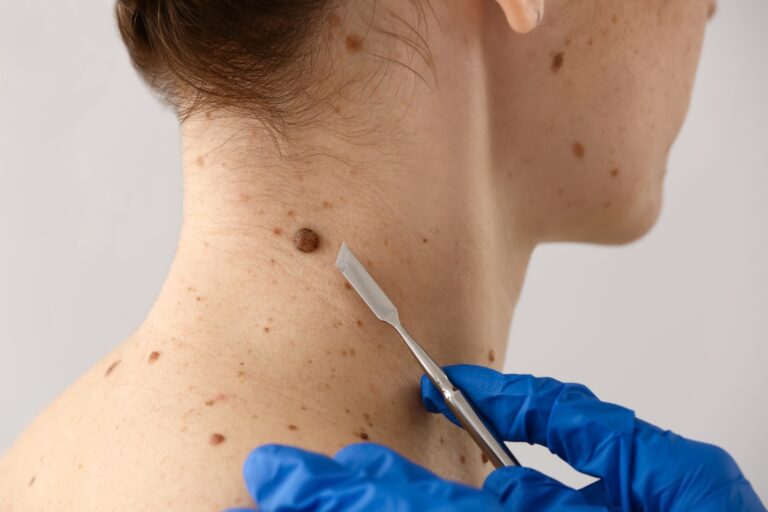
Moles come in various shapes, sizes, and colors. Understanding the different types can help you identify any changes that may indicate a potential problem.
1. Common moles: These are usually small, round or oval-shaped with a smooth surface. They can vary in color from pink to tan or brown.
2. Atypical moles: Also known as dysplastic nevi, these moles tend to be larger than common moles and have irregular borders. They often have multiple colors and may appear flat or slightly raised.
3. Congenital moles: These are present at birth and can range in size from small to large. While most congenital moles are harmless, larger ones may carry a higher risk of developing skin cancer later in life.
4. Spitz nevi: Often found in children and young adults, these moles are typically pink or reddish-brown with a raised bump-like appearance.
5. Halo nevi: These unique moles have a lighter-colored ring (halo) surrounding them due to an immune response against pigmented cells within the mole itself.
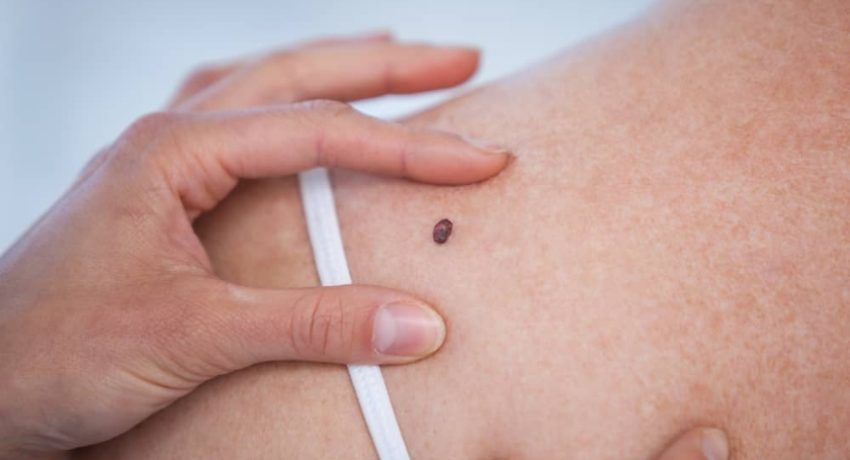
Remember that not all moles pose a threat; many remain benign throughout your lifetime. However, it’s essential to keep an eye on any changes such as asymmetry, border irregularity, color variation, diameter growth (larger than 6 mm), or evolving characteristics over time.
Early Detection and Prevention of Skin Cancer
Early detection and prevention are crucial when it comes to skin cancer. By being proactive, you can significantly reduce your risk of developing this potentially life-threatening disease.
One of the most important steps in early detection is performing regular self-examination of your skin. Take note of any new moles or changes in existing ones, such as size, shape, color, or texture. If you notice anything suspicious, don’t hesitate to consult a dermatologist for further evaluation.
In addition to self-exams, it’s essential to protect yourself from harmful UV radiation. Limit your sun exposure during peak and seek shade whenever possible. Remember to wear protective clothing like hats and sunglasses and generously apply broad-spectrum sunscreen with an SPF of at least 30.
Regular check-ups with a dermatologist are another key aspect of prevention. These professionals have the expertise to identify potential warning signs that may not be visible to the untrained eye.
By taking these preventive measures seriously and staying vigilant about changes in your skin, you’re giving yourself the best chance at catching skin cancer early on when treatment options are often more successful.
Signs and Symptoms of Skin Cancer
Signs and symptoms of skin cancer can vary depending on the type and stage of the disease. It is important to be aware of any changes or abnormalities in your skin that could potentially indicate skin cancer. One common sign is a new growth or mole that appears on the skin. This could be a small, shiny bump or a dark spot that continues to grow over time.
Another warning sign is an existing mole that starts to change in size, shape, color, or texture. If you notice a mole becoming asymmetrical, having irregular borders, multiple colors within it, or evolving in any way, it’s essential to get it checked by a dermatologist.
Other symptoms may include itching, bleeding, or oozing from a spot on your skin. These signs should not be ignored as they could indicate more advanced stages of skin cancer.
It’s worth mentioning that not all moles are dangerous and not all spots are cancerous; however, being vigilant about monitoring your own body for changes will help detect any potential issues early on.
If you notice any suspicious signs or symptoms mentioned above, don’t hesitate to schedule an appointment with your healthcare provider for further evaluation and diagnosis. Early detection greatly increases the chances of successful treatment!
Treatment Options for Skin Cancer
When it comes to treating skin cancer, there are several options available depending on the type and stage of the cancer. The main goal of treatment is to remove or destroy the cancer cells while minimizing damage to healthy tissue.
Surgery is often the first line of treatment for skin cancer. This may involve removing the tumor along with a small margin of healthy skin. In some cases, Mohs surgery may be recommended, which involves removing thin layers of skin one at a time until no more cancer cells are detected.
Radiation therapy uses high-energy beams to kill cancer cells or prevent them from growing. It can be used as primary treatment for small tumors or in combination with surgery for larger ones. It’s important to note that radiation therapy may cause side effects such as fatigue and changes in skin appearance.
Chemotherapy drugs can be used to treat advanced or metastatic skin cancer by targeting rapidly dividing cells throughout the body. These drugs can be administered orally, through injection, or applied topically depending on the specific situation.
Immunotherapy stimulates your immune system to recognize and attack cancer cells. This approach has shown promising results in some patients with advanced melanoma.
Targeted therapy focuses on specific genetic mutations found in certain types of skin cancers. By targeting these mutations, targeted therapies aim to stop or slow down the growth of tumors.
Clinical trials offer access to new treatments that are still being researched and developed. Participating in a clinical trial may give you access to cutting-edge therapies that could potentially improve outcomes.
It’s important for individuals diagnosed with skin cancer to discuss their treatment options with their healthcare team and make an informed decision based on their individual circumstances.
Coping with a Diagnosis and Moving Forward
Receiving a diagnosis of skin cancer can be overwhelming and frightening. It’s important to remember that you are not alone in this journey. Reach out to your loved ones for support, lean on them during this challenging time.
Allow yourself to feel the emotions that come with the diagnosis, whether it’s fear, sadness, or anger. It’s normal to have these feelings and acknowledging them is an important part of the healing process.
Educate yourself about your specific type of skin cancer. Understanding more about your condition can help alleviate some anxiety and empower you to take an active role in your treatment plan.
Find a healthcare team that specializes in treating skin cancer. They will guide you through the various treatment options available based on the stage and type of cancer you have been diagnosed with.
Take care of your overall well-being by practicing self-care activities such as exercise, meditation, or engaging in hobbies that bring you joy. These activities can help reduce stress levels and promote emotional well-being.
Join support groups or connect with others who are going through similar experiences. Sharing stories and hearing from others who have successfully navigated their way through a skin cancer diagnosis can provide encouragement and inspiration.
Stay positive but also allow yourself moments to grieve if needed. Remember that it’s okay not always to be strong; vulnerability is also a strength when coping with difficult situations like this one.
Moving forward after receiving a skin cancer diagnosis may require making lifestyle changes such as protecting your skin from excessive sun exposure, adopting healthy habits like wearing sunscreen daily, covering up when outdoors, avoiding tanning beds, and getting regular check-ups with your dermatologist.
While coping with a diagnosis might seem daunting at first glance, know that there is hope for recovery. With proper medical care coupled with emotional support from loved ones and self-care practices in place; moving forward becomes more manageable day by day.
Importance of Regular Skin Checks and Doctor Visits
Regular skin checks and doctor visits play a crucial role in maintaining healthy skin and preventing potential issues, including skin cancer. By scheduling routine appointments with your dermatologist or healthcare provider, you can stay on top of any changes or abnormalities in your moles and overall skin health.
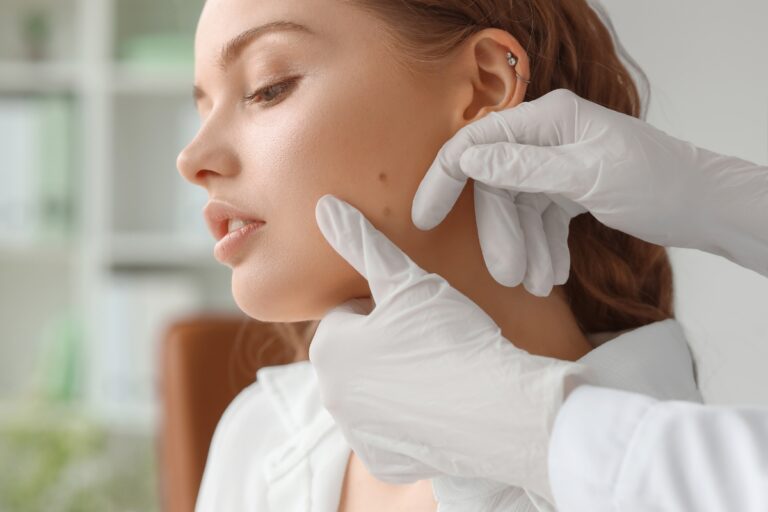
During these visits, the dermatologist will thoroughly examine your body for any suspicious growths, lesions, or changes in existing moles. They have the expertise to identify warning signs that may indicate the presence of skin cancer. By catching it early, treatment options are more effective and less invasive.
It is important to note that not all changes in moles are indicative of cancer. However, if you notice any irregularities such as asymmetry, uneven borders, color variations, size increase over time, or itchiness and bleeding – it’s essential to get them checked by a professional.
In addition to regular check-ups with a dermatologist or doctor specializing in skincare concerns,
self-examination should be conducted monthly at home. Familiarize yourself with the appearance of your moles so that you can spot any new developments promptly.
Remember that prevention is key when it comes to protecting yourself from skin cancer. Alongside regular check-ups and self-examinations,
it is vital to practice sun safety measures such as wearing sunscreen daily (even on cloudy days), seeking shade during peak sun hours,
and wearing protective clothing like hats and sunglasses.
In today’s article, we have explored the important topic of moles and skin cancer. We have learned about the different types of moles and their characteristics, as well as the risk factors that can increase your chances of developing skin cancer.
Early detection is key when it comes to preventing and treating skin cancer. Regular self-examinations, along with professional skin checks by a dermatologist, can help identify any concerning changes in your moles or the appearance of new growths.
Remember to pay attention to any signs or symptoms that could indicate skin cancer, such as changes in size, shape, color, or texture of a mole; itching or bleeding; or the development of an abnormal growth. If you notice anything unusual or concerning, don’t hesitate to seek medical advice.
Treatment options for skin cancer vary depending on the type and stage of the disease. It may involve surgical removal of the affected area, radiation therapy, chemotherapy creams, immunotherapy drugs, targeted therapy medications, or a combination thereof. Your healthcare provider will discuss these options with you and develop an individualized treatment plan based on your specific needs.
Receiving a diagnosis can be overwhelming and emotional. It’s important to reach out for support from loved ones and healthcare professionals who can guide you through this journey. Remember that many people successfully navigate their way through treatment and go on to live fulfilling lives afterward.