
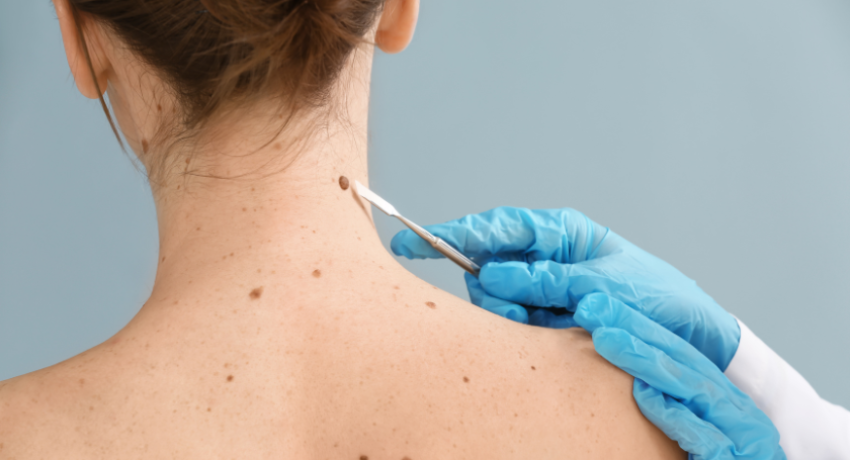

When it comes to skin cancer, there is an abundance of misinformation floating around. In a world where we are constantly bombarded with contradictory health advice, it’s important to separate fact from fiction. Today, we’re here to debunk some common myths surrounding skin cancer and shed light on the truth.
Skin cancer is a serious matter that affects millions of people worldwide. It can have devastating consequences if not detected and treated early. So let’s dive in and dispel these misconceptions once and for all! Whether you’re fair-skinned or love soaking up the sun’s rays, this article will provide valuable insights into protecting your precious skin from harm.
Myth 1: Only Fair-skinned People Get Skin Cancer
Skin cancer is a common misconception that only fair-skinned individuals need to worry about. However, this myth couldn’t be further from the truth! While it’s true that people with fair skin are at a higher risk of developing skin cancer due to lower levels of melanin, anyone can develop this potentially deadly disease.
In fact, individuals with darker skin tones may have a false sense of security and believe they are immune to skin cancer. This misconception can be dangerous because it delays detection and treatment. Skin cancer doesn’t discriminate based on race or ethnicity; it can affect anyone, regardless of their skin color.
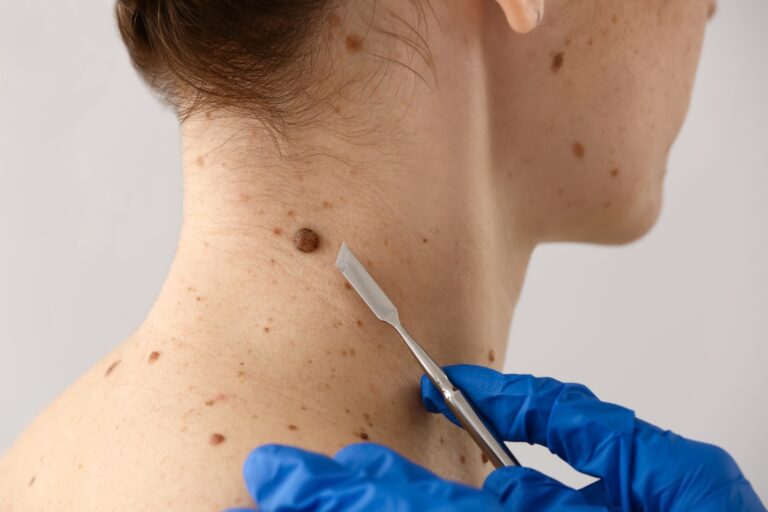
It’s essential for everyone to protect their skin from harmful UV radiation by practicing sun-safe behaviors such as wearing sunscreen, seeking shade during peak sun hours, and wearing protective clothing. Regularly checking your entire body for any suspicious moles or lesions is also crucial in detecting potential signs of skin cancer early on.
Remember, prevention and early detection are key when it comes to combating skin cancer. Don’t let the myth deceive you – take care of your skin no matter what your complexion may be!
Myth 2: Tanning Beds Are A Safer Alternative To The Sun
Let’s face it, many of us love that golden tan look. But there’s a dangerous myth floating around that tanning beds are a safe way to achieve that bronzed glow without the harmful effects of the sun. Unfortunately, this couldn’t be further from the truth.
Tanning beds emit ultraviolet (UV) radiation, just like the sun does. In fact, some studies have shown that using tanning beds can actually increase your risk of developing skin cancer by up to 75%! That’s a staggering statistic and one that should make everyone think twice before hopping into a tanning bed.
The UV radiation emitted by tanning beds penetrates deep into your skin, damaging DNA and causing mutations that can lead to skin cancer. And it’s not just melanoma you need to worry about – using tanning beds also increases your risk of basal cell carcinoma and squamous cell carcinoma.
So why do people still believe in this myth? Well, for starters, some individuals may mistakenly believe that getting a “base tan” from a tanning bed will protect them from getting burned in the sun. However, any tan is an indication of skin damage – whether it comes from natural sunlight or artificial sources like tanning beds.
In addition, there is no such thing as a “safe” level of UV exposure when it comes to tanning beds. Some people argue that controlled doses of UV radiation from these devices can help boost vitamin D levels in the body. While it’s true that our bodies need vitamin D for bone health and other functions, there are much safer ways to get this essential nutrient – through diet or taking supplements recommended by healthcare professionals.
The bottom line is this: if you want healthy-looking skin with reduced risk for skin cancer down the line, skip the tanning bed altogether. Embrace your natural beauty and protect yourself against harmful UV radiation by wearing sunscreen, seeking shade, and using protective clothing. Your
Myth 3: Sunscreen Can Protect You From All Types Of Skin Cancer
When it comes to protecting our skin, sunscreen is often touted as the holy grail. We slather it on before hitting the beach or spending a day outdoors, believing that it will shield us from harmful UV rays and prevent any form of skin cancer. But is this really true? Let’s dive into the facts and debunk another myth about skin cancer.
While sunscreen plays an important role in sun protection, it is not a foolproof method for preventing all types of skin cancer. Sunscreen primarily helps guard against two common forms of skin cancer – basal cell carcinoma and squamous cell carcinoma. These types are typically linked to excessive sun exposure over time.
However, there is one type of skin cancer that sunscreen cannot fully shield us from – melanoma. Melanoma is considered the most dangerous form of skin cancer as it has the potential to spread quickly throughout the body if left untreated. While using sunscreen with a high SPF can reduce your risk, it does not offer complete protection against melanoma.
It’s crucial to understand that sun protection involves more than just applying sunscreen. Wearing protective clothing such as wide-brimmed hats and long-sleeved shirts can provide additional coverage for areas not easily covered by sunscreen alone. Seeking shade during peak sun hours (usually between 10 am and 4 pm) also reduces your exposure to harmful UV rays.
In addition to these measures, regular self-examinations and professional dermatology check-ups are essential in detecting any suspicious moles or lesions early on. Remember, prevention goes beyond relying solely on sunscreen – adopting a comprehensive approach will help minimize your risk of developing various forms of skin cancers.
Stay tuned for our next section where we’ll debunk another common myth about skin cancer!
Myth 4: Skin Cancer Is Not A Serious Threat
Skin cancer is often underestimated and dismissed as not being a significant health concern. However, this couldn’t be further from the truth. While it’s true that skin cancer is one of the most common types of cancer and has relatively high survival rates when detected early, it should never be taken lightly.
Skin cancer can lead to serious complications if left untreated or undiagnosed. Melanoma, the deadliest form of skin cancer, can spread quickly to other parts of the body if not caught in its early stages. This can make treatment more difficult and decrease survival rates significantly.
Additionally, even non-melanoma skin cancers like basal cell carcinoma and squamous cell carcinoma can cause disfigurement if they are allowed to progress unchecked. These cancers can invade surrounding tissues and organs, causing extensive damage that may require reconstructive surgery or other invasive treatments.
Furthermore, while skin cancer is commonly associated with sun exposure, it’s important to remember that other factors such as genetics, family history, immune system suppression, and certain medications can also increase your risk. Therefore, everyone should take precautions regardless of their sun exposure habits or skin type.
In conclusion,
Skin cancer should never be brushed off as inconsequential. It may be preventable in many cases by practicing proper sun protection measures and getting regular screenings but ignoring its potential severity could have detrimental consequences for your health. Be proactive about protecting yourself from harmful UV rays by wearing sunscreen daily (even on cloudy days), seeking shade during peak sunlight hours, and wearing protective clothing like hats and sunglasses.
Myth 5: You Only Need To Worry About Skin Cancer On Sunny Days
Many people believe that they are safe from skin cancer as long as they avoid the sun on hot, sunny days. However, this is a common misconception that can put you at risk for developing this potentially deadly disease.
The truth is that UV rays from the sun can still penetrate through clouds and cause damage to your skin, even on overcast days. In fact, studies have shown that up to 80% of UV radiation can pass through clouds. This means that whether it’s cloudy or sunny outside, you should still take precautions to protect your skin.
Additionally, UV rays can also reflect off surfaces such as water, sand, snow, and concrete. This means that even if you’re not directly in the sun’s rays, you may still be exposed to harmful UV radiation. So regardless of the weather conditions or time of year, it’s important to always protect your skin whenever you are outdoors.
Remember that protecting yourself from skin cancer is a year-round commitment. By staying informed about the risks and taking necessary precautions every day – rain or shine – you can reduce your chances of developing this serious disease. So don’t let cloudy skies fool you into thinking it’s safe to skip sunscreen or protective clothing – take care of your skin every day!
The Truth About Skin Cancer Prevention And Protection
Now that we’ve debunked some of the common myths surrounding skin cancer, let’s focus on what you can do to protect yourself. Prevention is key when it comes to avoiding this potentially deadly disease.
First and foremost, always remember that anyone can develop skin cancer, regardless of their skin color. While fair-skinned individuals may have a higher risk, everyone should take precautions to protect themselves from harmful UV rays.
Tanning beds are not a safer alternative to the sun. In fact, they pose an even greater risk due to the concentrated levels of UVA radiation they emit. Avoiding tanning beds altogether is your best bet for reducing your risk of developing skin cancer.
While sunscreen is an essential part of any sun protection routine, it cannot guarantee complete protection against all types of skin cancer. It’s important to use a broad-spectrum sunscreen with at least SPF 30 and reapply it every two hours or after sweating or swimming. But don’t rely solely on sunscreen – seek shade during peak sun hours and wear protective clothing as well.
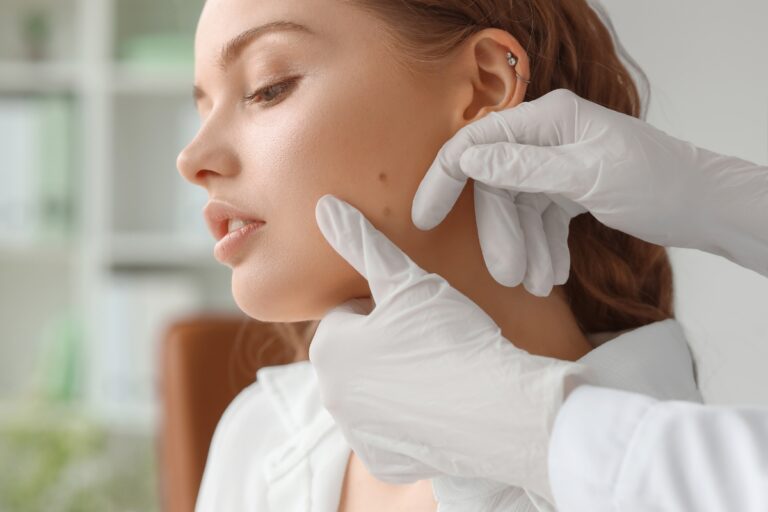
Skin cancer should never be taken lightly. It is one of the most common cancers worldwide and can lead to serious health complications if left untreated. Regular self-examinations and annual check-ups with a dermatologist are crucial in detecting any suspicious moles or changes in your skin early on.
Don’t be fooled by cloudy or overcast days – UV rays can still penetrate through clouds and cause damage to your skin. Make sun protection a daily habit regardless of the weather forecast!
By understanding the truths behind these myths and taking proactive steps toward prevention, you can significantly reduce your risk of developing skin cancer. Remember: protecting your skin today means safeguarding your future health tomorrow! Stay safe under the sun while enjoying everything life has to offer!