

Hair loss is a common concern for many people. Various treatments promise to restore hair, but one that has gained significant attention is Platelet-Rich Plasma (PRP) therapy. PRP treatment for hair is touted as a safe and effective option for those struggling with thinning hair. But does it really work? Let’s explore how PRP therapy can help regrow hair and what you should know before considering it.
What is PRP Treatment for Hair?
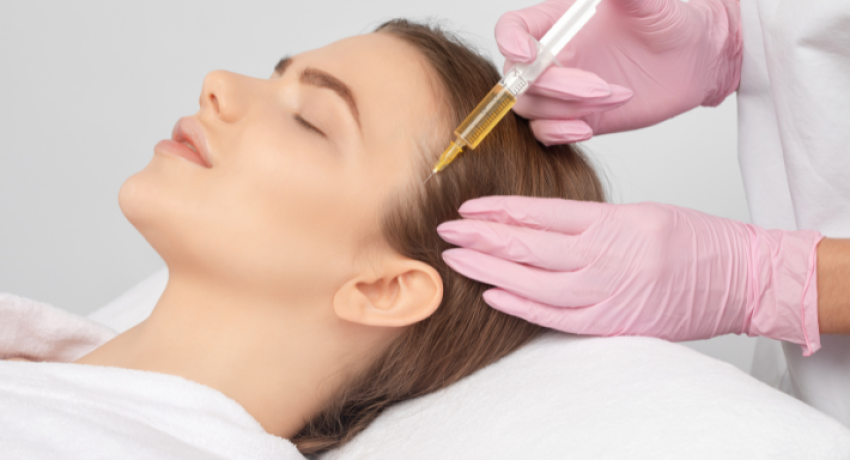
PRP therapy involves using your blood to promote hair growth. Here’s a breakdown of the process:
- Blood Draw: A small amount of blood is drawn from your arm.
- Centrifugation: The blood is placed in a centrifuge to separate the plasma from the red blood cells. The plasma is rich in growth factors, which are essential for healing and regeneration.
- Injection: The platelet-rich plasma is injected into areas of the scalp where hair thinning is noticeable.
The growth factors in the PRP stimulate hair follicles, potentially leading to hair regrowth. This treatment is minimally invasive and typically requires multiple sessions for optimal results.
How Does PRP Work for Hair Regrowth?
PRP treatment for hair works by leveraging the body’s natural healing mechanisms. Here’s how it can help:
- Stimulates Follicles: Growth factors in PRP promote cell division and tissue repair. This stimulation can help revitalize dormant hair follicles.
- Increases Blood Supply: The injections may enhance blood circulation in the scalp, delivering essential nutrients to the hair follicles.
- Reduces Inflammation: PRP has anti-inflammatory properties, which can help create a healthier environment for hair growth.
Many people notice an improvement in hair density and thickness after undergoing PRP therapy. However, results can vary from person to person.
Who is a Good Candidate for PRP Therapy?
Not everyone is a suitable candidate for PRP treatment. Here are some factors to consider:
- Age: While PRP can be effective for both men and women, age may affect the results. Younger individuals may see better outcomes.
- Type of Hair Loss: PRP is most effective for androgenetic alopecia (pattern baldness) but may not work as well for other types of hair loss.
- Overall Health: Candidates should be in good health, as certain medical conditions can affect the success of the treatment.
It’s essential to consult with a healthcare professional to determine if PRP is right for you.
What to Expect from PRP Treatment?
The process of undergoing PRP therapy is relatively straightforward. Here’s what you can expect:
- Initial Consultation: A healthcare provider will assess your hair loss and medical history. They will explain the procedure and set realistic expectations.
- Procedure Duration: The entire PRP session usually takes about 60 to 90 minutes, including preparation and injections.
- Recovery Time: There’s minimal downtime. Most people return to their daily activities immediately after the procedure. Some mild swelling or discomfort at the injection site may occur but usually subsides quickly.
Potential Side Effects of PRP Therapy
While PRP therapy is generally safe, some side effects may occur. These can include:
- Pain or Discomfort: Some patients experience mild pain during or after the injections.
- Swelling: Temporary swelling at the injection sites can happen.
- Infection: Although rare, there is a slight risk of infection.
Overall, serious complications are uncommon. It’s important to follow post-treatment care instructions provided by your healthcare provider.
How Effective is PRP Treatment for Hair?
The effectiveness of PRP treatment for hair varies among individuals. Some studies suggest that:
- Increased Hair Density: Many patients report noticeable hair density improvements after several sessions.
- Sustained Growth: Results often improve over time, with continued hair growth noted up to six months after treatment.
- Maintenance: Some patients may require ongoing treatments to maintain results.
PRP treatment for hair is an innovative approach that harnesses the body’s healing capabilities. While it may help some individuals regrow hair, results vary based on several factors. If you’re considering this treatment, consult a healthcare professional for personalized advice and to determine the best plan for your needs. With the right approach, you can take meaningful steps toward restoring your hair and boosting your confidence.
Frequently Asked Questions
What is PRP therapy, and how does it work for hair loss?
PRP (Platelet-Rich Plasma) therapy involves drawing a small amount of your blood, processing it to concentrate the platelets, and then injecting it into your scalp. The growth factors in PRP stimulate hair follicles, promote blood circulation, and may encourage hair regrowth.
How many PRP sessions are needed for noticeable results?
Most people require a series of 3 to 6 sessions, spaced about 4 to 6 weeks apart, to see significant improvements. Results often become noticeable about 3 to 6 months after starting treatment.
Are there any side effects of PRP therapy?
PRP therapy is generally safe, but potential side effects include temporary swelling, bruising, and discomfort at the injection sites. In rare cases, there could be an infection or an allergic reaction.
Who should avoid PRP treatment for hair?
PRP may not be suitable for individuals with certain medical conditions, such as blood disorders, skin infections, or active cancer. It’s essential to consult a healthcare professional to determine if you’re a good candidate.
Can PRP treatment cure baldness?
PRP therapy does not cure baldness or completely restore hair in individuals with advanced hair loss. It can improve hair density and promote regrowth but is best used in the early stages of hair thinning.