

Skin cancer can be a daunting diagnosis to receive, but with the advancements in medical technology, there is hope for effective treatment. One such treatment option that has gained popularity is Mohs surgery. Whether you’ve just been diagnosed or are considering this procedure, it’s important to arm yourself with knowledge and confidence.
In this blog post, we will dive into the world of Mohs surgery, exploring its benefits, what to expect before and after the procedure, common misconceptions surrounding it, as well as follow-up care and prevention measures. So grab your virtual seatbelt and get ready to navigate the journey of skin cancer recovery with newfound savvy!
Understanding Skin Cancer and Mohs Surgery
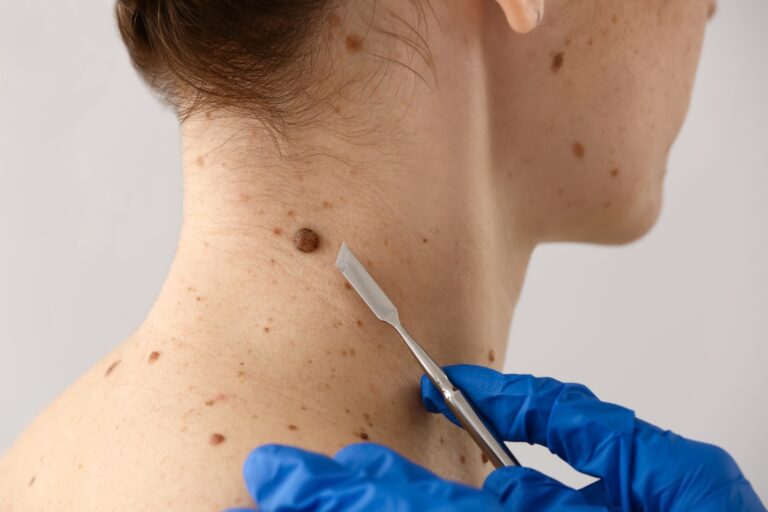
Skin cancer is a condition that occurs when abnormal cells grow and invade the skin. It can manifest in various forms, including basal cell carcinoma, squamous cell carcinoma, and melanoma. Of these types, melanoma is considered the most aggressive and potentially life-threatening.
Mohs surgery, named after its inventor Dr. Frederic Mohs, is a specialized procedure used to treat certain types of skin cancer. Unlike traditional surgical methods that involve removing larger areas of healthy tissue along with the tumor, Mohs surgery aims to remove only the cancerous cells while preserving as much healthy tissue as possible.
The technique involves removing thin layers of tissue one at a time and examining them under a microscope until no more cancer cells are detected. This meticulous approach ensures maximum precision in targeting and removing all cancerous cells without compromising surrounding healthy tissue.
One significant advantage of Mohs surgery is its high cure rate for skin cancers on sensitive or cosmetically important areas such as the face or hands where preserving healthy tissue becomes crucial. Additionally, it offers excellent cosmetic outcomes by minimizing scarring compared to other treatment methods.
Mohs surgery is typically performed on an outpatient basis using local anesthesia. The duration varies depending on the size and location of the tumor but may take several hours to complete.
Patients can expect some discomfort during the procedure due to injections or minor pressure sensations when layers of tissues are removed for examination. However, any post-operative pain can usually be managed with over-the-counter pain medication prescribed by your doctor.
After completing Mohs surgery successfully, your doctor will discuss wound care instructions tailored specifically for you based on factors such as wound size or location. Following these guidelines diligently will help ensure proper healing and minimize complications like infection or excessive scarring.
While every patient’s recovery timeline may vary slightly depending on individual circumstances and personal healing abilities; most people can resume their normal activities within days to weeks following Mohs surgery.
Remember: Understanding your diagnosis thoroughly and having open communication with your healthcare team can help you prepare mentally and emotionally for
The Benefits of Mohs Surgery
When it comes to treating skin cancer, Mohs surgery is widely considered the gold standard. This specialized technique offers several unique benefits that set it apart from other treatment options.
One of the key advantages of Mohs surgery is its high success rate. Unlike traditional excision procedures, which may leave behind small traces of cancerous cells, Mohs surgery aims for complete removal by meticulously examining each layer of tissue under a microscope. This ensures that all cancer cells are eradicated while preserving as much healthy tissue as possible.
Another benefit of Mohs surgery is its precision. By targeting only the affected area, this procedure minimizes damage to surrounding tissues and reduces scarring—a concern for many patients undergoing skin cancer treatment. The precise nature of Mohs surgery also means fewer follow-up surgeries or treatments may be necessary.
Furthermore, because the surgeon can assess the tumor margins in real-time during the procedure, Mohs surgery provides immediate results and peace of mind. Patients can have confidence knowing that their surgeon has thoroughly examined every inch and successfully removed any remaining cancer cells.
Additionally, thanks to its highly targeted approach, Mohs surgery often achieves excellent cosmetic outcomes compared to alternative treatments such as radiation therapy or chemotherapy creams. Skin cancers on sensitive areas like the face or hands can be effectively addressed with minimal disruption to appearance and functionality.
Lastly but importantly, patient satisfaction rates following Mohs surgery are typically very high due to its effectiveness in achieving complete tumor removal while minimizing complications and reducing recurrence rates.
If you find yourself facing a skin cancer diagnosis or are considering treatment options for yourself or a loved one, consider discussing with your dermatologist whether Mohs surgery might be an appropriate choice given your specific circumstances.
What to Expect Before, During, and After the Procedure
Preparing for Mohs surgery can feel overwhelming, but knowing what to expect before, during, and after the procedure can help ease any anxiety. Before the surgery, your dermatologist will provide you with detailed instructions on how to prepare. This may include stopping certain medications or applying special creams.
On the day of the procedure, you’ll arrive at the clinic or hospital and be greeted by a friendly staff who will guide you through each step. The surgeon will explain everything again and answer any questions you may have. Rest assured that they are highly trained professionals who specialize in Mohs surgery.
During the procedure itself, local anesthesia will be administered to numb the area being treated. The surgeon will carefully remove thin layers of skin one at a time while examining them under a microscope. This process allows them to precisely identify and remove all cancerous cells while preserving as much healthy tissue as possible.
After each layer is removed, there might be some waiting time while it’s examined in the lab. Don’t worry; this is normal! You can bring a book or listen to music during these intervals.
Once all cancerous cells have been successfully removed, your surgeon will discuss options for wound closure with you. They may perform a simple stitching technique or recommend other methods depending on your specific case.
Recovery from Mohs surgery varies from person to person but generally involves minimal discomfort and downtime. Your doctor will provide post-operative care instructions including wound care techniques and information about any necessary follow-up appointments.
Remember that every journey with skin cancer is unique; no two experiences are exactly alike! It’s essential to consult with an experienced healthcare professional regarding your specific situation.
Tips for Preparing for Mohs Surgery
Preparing for Mohs surgery can feel overwhelming, but with some careful planning and preparation, you can approach the procedure with confidence. Here are a few essential tips to help you get ready:
1. Communication is key: Make sure to have open and honest conversations with your dermatologist or surgeon about any concerns or questions you may have. This will help alleviate anxiety and ensure that everyone is on the same page.
2. Arrange transportation: Since Mohs surgery is typically performed on an outpatient basis, it’s crucial to arrange for someone to drive you home afterward. Ensure that this person understands the timeline of the procedure and is available on the scheduled day.
3. Follow pre-surgery instructions: Your doctor will provide specific guidelines regarding medications, skincare products, and dietary restrictions leading up to the surgery. It’s important to follow these instructions closely as they can impact the success of your procedure.
4. Prepare mentally and emotionally: Dealing with skin cancer can be emotionally challenging, so take some time before your surgery to center yourself mentally and emotionally. Engage in activities that bring you joy or practice relaxation techniques like deep breathing exercises or meditation.
5. Pack a bag: On the day of your surgery, remember to pack a small bag containing essentials such as comfortable clothing, toiletries, snacks (if allowed), reading materials or electronic devices (to keep yourself occupied during waiting periods), insurance information, identification documents, sunglasses (to protect your eyes after surgery), and any prescribed medications.
6. Get support from loved ones: Reach out to friends or family members who can offer emotional support during this time. Having someone by your side can make a significant difference in how you navigate through both pre-and post-surgery phases.
Remember that each individual’s experience with Mohs surgery may vary slightly based on personal circumstances; therefore it’s always important to consult directly with your healthcare professional when preparing for this procedure. By following these tips and seeking guidance from your medical team, you can
Common Misconceptions About Mohs Surgery
Common Misconceptions About Mohs Surgery
Misinformation and misconceptions can often lead to unnecessary fear or confusion, especially when it comes to medical procedures like Mohs surgery. Let’s debunk some common myths surrounding Mohs surgery and set the record straight.
1. Mohs Surgery is Invasive: One of the biggest misconceptions about Mohs surgery is that it is a highly invasive procedure. In reality, this technique involves removing thin layers of cancerous tissue while preserving healthy skin as much as possible. It’s a precise and targeted approach that minimizes damage to surrounding tissues.
2. It Takes Forever: Some people believe that undergoing Mohs surgery means spending hours in the operating room. However, the length of the procedure varies depending on various factors such as tumor size and location. While it may take longer than other types of surgeries, it offers a higher cure rate with minimal scarring.
3. Only for Extreme Cases: Another misconception is that only those with advanced or aggressive skin cancers require Mohs surgery. The truth is that this technique can be used for all types and stages of skin cancer, offering excellent results even for less severe cases.
4. High Risk of Complications: Concerns about complications are understandable, but rest assured that complications from Mohs surgery are rare when performed by an experienced surgeon trained in this technique.
5. Painful Recovery: Many assume that recovering from Mohs surgery will be extremely painful due to its nature involving the removal of skin layers; however, most patients report relatively mild discomfort during recovery which can typically be managed with over-the-counter pain medications.
It’s important to dispel these misconceptions so individuals facing treatment options for their skin cancer can make informed decisions based on accurate information rather than unfounded fears or assumptions.
Follow-up Care and Prevention Measures
Follow-up care and prevention measures are crucial after undergoing Mohs surgery. Taking proactive steps can help ensure the best possible outcome and reduce the risk of skin cancer recurrence.
After your procedure, your dermatologist will provide specific instructions for wound care. It’s important to follow these guidelines carefully to promote proper healing and minimize scarring. This may include keeping the wound clean, using prescribed medications or ointments, and avoiding sun exposure.
Regular follow-up appointments with your dermatologist are essential in monitoring your recovery progress. These visits allow them to assess how well you’re healing and detect any signs of potential complications or recurrence early on.
In addition to post-operative care, adopting sun protection habits is vital for preventing future skin damage and reducing the risk of developing new skin cancers. This includes wearing sunscreen with a high SPF daily, seeking shade during peak sun hours, wearing protective clothing such as hats and long sleeves, and regularly examining your own skin for any changes or suspicious spots.
It’s also important to maintain open communication with your healthcare team throughout this journey. If you notice anything concerning or have questions about your recovery or preventive measures, don’t hesitate to reach out to them for guidance and support.
By following these follow-up care instructions diligently and taking preventative measures seriously, you can empower yourself to maintain healthy skin while minimizing future risks associated with skin cancer.
As you embark on your journey towards skin cancer recovery, it is important to approach Mohs surgery with confidence and knowledge. By understanding the procedure, its benefits, and what to expect before, during, and after the surgery, you are better prepared for a successful outcome.
Mohs surgery offers numerous advantages compared to other treatment options. Its high cure rate ensures that cancerous cells are removed effectively while minimizing damage to healthy tissue. Additionally, Mohs surgery provides immediate results by allowing surgeons to analyze tissue layers in real time during the procedure.
To prepare for your Mohs surgery experience, follow these simple tips. Make sure to communicate openly with your dermatologist or surgeon about any concerns or questions you may have. Take care of yourself physically by maintaining a healthy lifestyle leading up to the procedure – this includes eating well-balanced meals and getting enough rest.
It’s important not to fall prey to common misconceptions surrounding Mohs surgery. Understand that although it is a highly effective treatment option for skin cancer removal, it may not be suitable for all cases. Your healthcare provider will evaluate your specific situation and recommend the best course of action based on their expertise.
After undergoing Mohs surgery, diligent follow-up care is crucial in preventing future skin cancers from developing. Regularly check your skin for any changes or new growths and schedule routine visits with your dermatologist as recommended. Protecting yourself from harmful UV rays by wearing sunscreen daily and practicing sun-safe behaviors can also significantly reduce your risk of developing additional skin cancers.
Remember that recovering from skin cancer involves embracing both physical healing and emotional resilience. Surround yourself with a supportive network of family and friends who can offer encouragement throughout this journey.
By equipping yourself with knowledge about Mohs surgery and staying proactive in preventive measures moving forward, you can confidently navigate through this process toward complete recovery.