
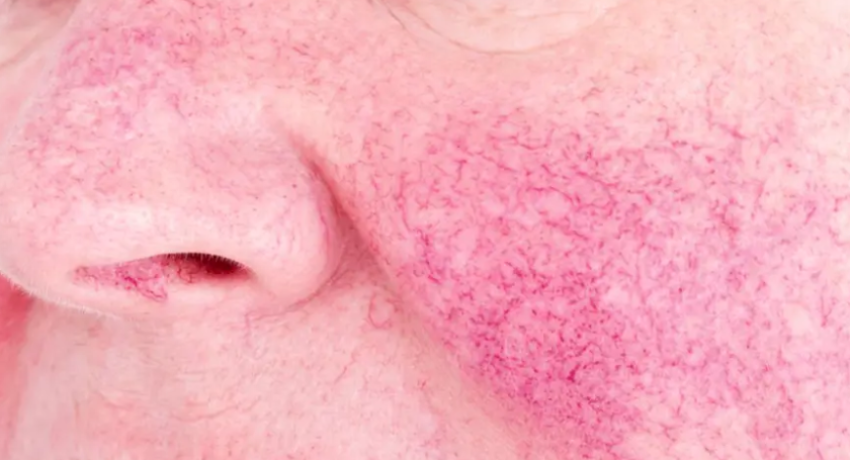

Have you ever noticed tiny red or purple lines on your skin, resembling spider webs? These are broken blood vessels, also known as spider veins or telangiectasias. They often appear on the face and legs, creating a web-like pattern that can be both unsightly and concerning. Understanding what causes these broken blood vessels is essential for prevention and treatment. This article delves into the various factors contributing to their development, how they affect your skin, and the best ways to manage and prevent them.
What Are Broken Blood Vessels?
Broken blood vessels occur when small veins close to the skin’s surface become dilated or enlarged. While they are generally harmless, they can be a cosmetic concern for many people. These vessels are visible because they carry deoxygenated blood, which appears bluish or red under the skin. The condition can affect anyone but is more common in people with fair skin and those with a family history of the condition.
Common Causes of Broken Blood Vessels
1. Genetics
One of the most significant factors influencing the development of broken blood vessels is genetics. If your parents or grandparents had spider veins, there’s a higher chance you might develop them as well. Genetic predisposition affects the strength and elasticity of your blood vessels, making them more susceptible to breaking.
2. Sun Exposure
Excessive sun exposure can damage your skin and the blood vessels beneath it. Ultraviolet (UV) rays weaken the walls of these vessels, causing them to dilate and become visible. Over time, repeated sun exposure can lead to permanent damage and increase the likelihood of developing spider veins.
3. Aging
As we age, our skin loses elasticity and becomes thinner. This natural aging process makes the blood vessels more visible and prone to breaking. Additionally, the connective tissues that support the blood vessels weaken over time, contributing to the development of broken blood vessels.
4. Rosacea
Rosacea is a chronic skin condition that causes redness and visible blood vessels in the face. People with rosacea often experience broken blood vessels as a symptom of the condition. The exact cause of rosacea is unknown, but it is believed to be related to genetic and environmental factors.
5. Hormonal Changes
Hormonal fluctuations, particularly those associated with pregnancy, menopause, and birth control pills, can increase the risk of developing broken blood vessels. Hormones like estrogen and progesterone can weaken blood vessel walls, making them more likely to break.
6. Alcohol Consumption
Excessive alcohol consumption can lead to the dilation of blood vessels. Over time, repeated dilation can cause the vessels to weaken and break. This is why people who consume large amounts of alcohol often develop visible veins, especially on their faces.
7. Medical Conditions
Certain medical conditions, such as liver disease, can cause broken blood vessels. Liver disease, in particular, can lead to a condition called spider angiomas, where small, spider-like blood vessels appear on the skin. Other conditions, like high blood pressure and chronic venous insufficiency, can also contribute to the development of broken blood vessels.
8. Injury or Trauma
Physical trauma to the skin, such as bruises, cuts, or even intense coughing or vomiting, can cause blood vessels to break. The pressure from these actions can cause the small veins to burst, leading to visible broken blood vessels.
Prevention and Treatment
1. Protect Your Skin from the Sun
Wearing sunscreen with a high SPF, wearing protective clothing, and avoiding peak sun hours can help prevent sun damage and reduce the risk of developing broken blood vessels.
2. Maintain a Healthy Lifestyle
Eating a balanced diet, exercising regularly, and avoiding excessive alcohol consumption can improve overall vascular health and reduce the likelihood of broken blood vessels.
3. Manage Rosacea
If you have rosacea, follow your dermatologist’s advice to manage the condition and prevent flare-ups that can lead to broken blood vessels. This might include using gentle skincare products and avoiding triggers like spicy foods and extreme temperatures.
4. Use Gentle Skincare Products
Avoid harsh skincare products that can irritate your skin and cause blood vessels to break. Opt for gentle, fragrance-free products that are suitable for sensitive skin.
5. Laser Treatment
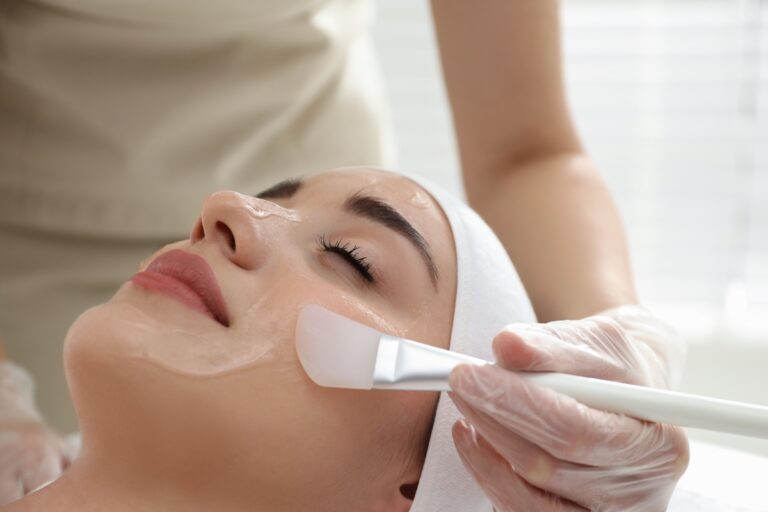
For those who already have broken blood vessels, laser treatment is a popular and effective option. It involves using focused laser light to target and collapse the damaged vessels, causing them to fade over time.
6. Sclerotherapy
Sclerotherapy is a medical procedure where a solution is injected into the affected veins, causing them to close and eventually be absorbed by the body. This treatment is commonly used for spider veins on the legs.
Broken blood vessels, while generally harmless, can be a source of cosmetic concern for many people. Understanding the various causes, from genetics and aging to sun exposure and hormonal changes, can help you take preventive measures to keep your skin looking its best. Adopting a healthy lifestyle, protecting your skin from the sun, and seeking appropriate treatments when necessary can go a long way in managing and preventing broken blood vessels. If you’re concerned about broken blood vessels or want to explore treatment options, consult with a dermatologist to determine the best course of action for your specific situation.
FAQs
1. What are broken blood vessels?
Broken blood vessels, also known as spider veins or telangiectasias, are small, dilated blood vessels near the surface of the skin that appear red or purple.
2. Can broken blood vessels heal on their own?
In some cases, broken blood vessels may fade over time, but they usually do not heal completely without treatment such as laser therapy or sclerotherapy.
3. Are broken blood vessels a sign of a serious health condition?
While they are generally harmless, broken blood vessels can sometimes be associated with underlying conditions like liver disease or chronic venous insufficiency. It’s best to consult a doctor if you have concerns.
4. Can I prevent broken blood vessels from forming?
Yes, you can reduce the risk by protecting your skin from the sun, maintaining a healthy lifestyle, managing conditions like rosacea, and using gentle skincare products.
5. How effective is laser treatment for broken blood vessels?
Laser treatment is highly effective for many people. It targets and collapses the damaged vessels, causing them to fade over time. Multiple sessions may be required for the best results.
6. Is there a way to treat broken blood vessels at home?
While home remedies like applying cold compresses can reduce the appearance temporarily, professional treatments like laser therapy and sclerotherapy are more effective for long-term results.
7. Can broken blood vessels be a result of medication?
Yes, certain medications that affect blood pressure or thin the blood can contribute to the development of broken blood vessels. Always discuss medication side effects with your healthcare provider.