

Stretch marks, medically known as striae, are a common skin concern that affects both men and women. These streaky lines can appear on various parts of the body, including the abdomen, thighs, hips, breasts, and arms. While they aren’t harmful, they can be a source of insecurity for many. Understanding what causes stretch marks can help in both preventing them and managing their appearance. This blog will delve into the various factors that contribute to stretch marks, debunk common myths, and provide practical tips on how to deal with them.
What Are Stretch Marks?
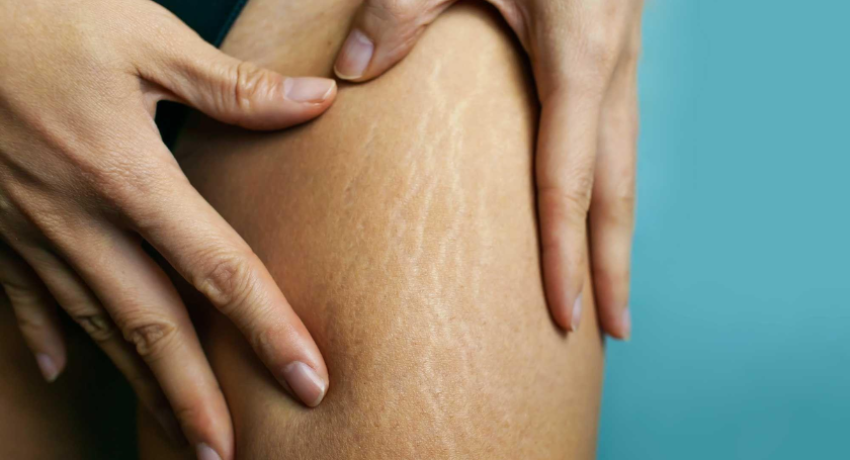
Stretch marks are long, narrow streaks or lines that develop on the skin when it is stretched too quickly. They often start as red, purple, or dark brown lines that eventually fade to a lighter, silvery color. The abrupt stretching of the skin causes the middle layer of the skin, known as the dermis, to tear, leading to the formation of these marks. Although they are harmless and typically painless, many people seek ways to reduce their appearance due to cosmetic concerns.
Common Causes of Stretch Marks
- Pregnancy: Pregnancy is one of the most well-known causes of stretch marks. During pregnancy, a woman’s body undergoes rapid changes, particularly in the abdomen and breast areas, as the baby grows. The skin stretches to accommodate these changes, often resulting in stretch marks. Hormonal changes during pregnancy also play a role, as they weaken the skin’s elasticity, making it more prone to tearing.
- Rapid Weight Gain or Loss: Sudden changes in body weight can lead to stretch marks. When you gain weight rapidly, your skin is forced to expand quickly, which can cause the dermis to tear. Conversely, losing weight quickly can also lead to stretch marks, as the skin has been stretched and may not contract back as smoothly, leaving behind marks.
- Puberty: Puberty is a time of significant growth and development, and it’s common for teenagers to experience stretch marks during this period. Both boys and girls can develop stretch marks as their bodies undergo rapid growth spurts. For boys, stretch marks often appear on the shoulders and back, while girls may notice them on the hips, thighs, and breasts.
- Genetics: Genetics play a significant role in the likelihood of developing stretch marks. If your parents had stretch marks, you’re more likely to have them as well. The genetic factor also influences the severity of the stretch marks and the areas of the body they are most likely to appear on.
- Corticosteroid Use: Long-term use of corticosteroid creams, lotions, or pills can decrease the skin’s ability to stretch by reducing collagen levels. Collagen is a protein that keeps your skin elastic, and when its levels drop, your skin becomes more prone to tearing, leading to stretch marks.
- Medical Conditions: Certain medical conditions can also lead to the development of stretch marks. Conditions like Cushing’s syndrome, Marfan syndrome, and Ehlers-Danlos syndrome can cause skin changes that make it more likely for stretch marks to develop. These conditions often affect the body’s production of collagen, leading to more fragile skin.
- Bodybuilding: While often associated with weight loss and pregnancy, stretch marks can also result from rapid muscle gain. Bodybuilders, for instance, might notice stretch marks on their shoulders, arms, and chest as their muscles grow quickly and the skin stretches to accommodate the new muscle mass.
Myths About Stretch Marks
Despite being a common skin issue, stretch marks are surrounded by various myths and misconceptions. Here are some of the most prevalent ones debunked:
- Myth 1: Stretch marks only affect women.
While it’s true that women, particularly during pregnancy, are more prone to stretch marks, men can also develop them due to rapid weight gain, bodybuilding, or certain medical conditions. - Myth 2: Stretch marks can be completely removed.
Unfortunately, there’s no magic treatment that can completely eliminate stretch marks. However, various treatments can help reduce their appearance significantly. - Myth 3: Stretch marks only occur on overweight individuals.
Stretch marks can happen to anyone, regardless of their weight. They are more about how quickly the skin stretches rather than the amount of fat under the skin.
How to Prevent and Treat Stretch Marks
While stretch marks can’t always be prevented, there are several steps you can take to minimize your chances of developing them and reduce their appearance if they do occur:
- Moisturize Regularly: Keeping your skin well-moisturized can help improve its elasticity. Use a rich moisturizer or oil on areas prone to stretch marks, such as the abdomen, thighs, and breasts. Ingredients like cocoa butter, shea butter, and vitamin E are often recommended for their skin-nourishing properties.
- Stay Hydrated: Drinking plenty of water helps keep your skin hydrated and supple, which may make it more resistant to stretching. Aim for at least 8 glasses of water a day to maintain optimal skin health.
- Maintain a Healthy Diet: Eating a balanced diet rich in vitamins and minerals can support skin health and elasticity. Foods high in vitamins A, C, and E, as well as zinc and collagen-boosting nutrients, are particularly beneficial for the skin.
- Exercise Regularly: Regular physical activity promotes healthy circulation and skin elasticity. Exercises that tone and strengthen the muscles under your skin can also help reduce the appearance of stretch marks.
- Use Topical Treatments: Retinoid creams and other topical treatments, such as hyaluronic acid and glycolic acid, may help reduce the appearance of newer stretch marks. However, these should be used under the guidance of a dermatologist, especially during pregnancy.
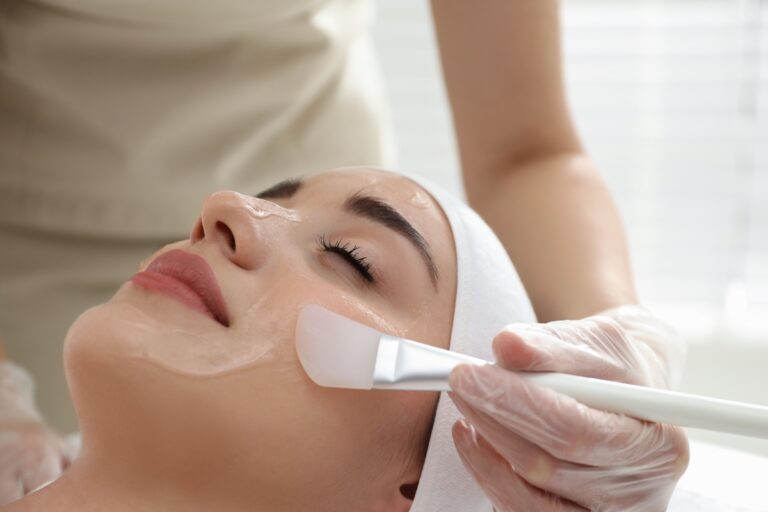
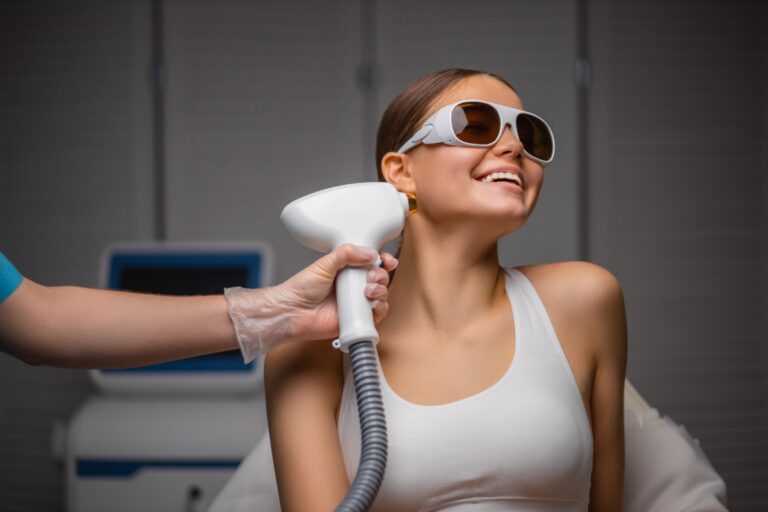
- Consider Professional Treatments: For more stubborn stretch marks, professional treatments like laser therapy, microdermabrasion, or microneedling can be effective. These treatments work by stimulating collagen production and improving the texture and color of stretch marks.
Stretch marks are a natural part of life, often signaling growth, change, or accomplishment. While they may never completely disappear, understanding their causes and taking proactive steps can help reduce their appearance. Whether through moisturizing, staying hydrated, or seeking professional treatments, there are ways to care for your skin and feel confident in it. Remember, stretch marks are not a flaw but a testament to your body’s resilience and adaptability.
FAQs
- Can stretch marks go away on their own?
Stretch marks typically fade over time but rarely disappear completely without treatment. They may lighten and become less noticeable over the years. - Are there any natural remedies for stretch marks?
Natural remedies like aloe vera, coconut oil, and vitamin E may help moisturize the skin and reduce the appearance of stretch marks, but results vary from person to person. - Is it possible to prevent stretch marks during pregnancy?
While it’s not always possible to prevent them entirely, staying hydrated, moisturizing regularly, and gaining weight gradually during pregnancy can help reduce the likelihood of stretch marks. - Do stretch marks indicate a health problem?
Generally, stretch marks are not a sign of a health issue. However, if they appear suddenly and without obvious cause, it might be worth consulting a healthcare provider to rule out any underlying conditions. - What are the most effective treatments for stretch marks?
The most effective treatments include laser therapy, retinoid creams, microneedling, and microdermabrasion. These treatments work by boosting collagen production and improving skin texture. - At what age do stretch marks usually appear?
Stretch marks can appear at any age, but they are most common during puberty, pregnancy, and periods of rapid weight gain or loss. - Can diet affect the development of stretch marks?
Yes, a diet rich in vitamins and minerals that promote skin health, such as vitamins A, C, and E, along with adequate hydration, can help maintain skin elasticity and potentially reduce the risk of stretch marks.