
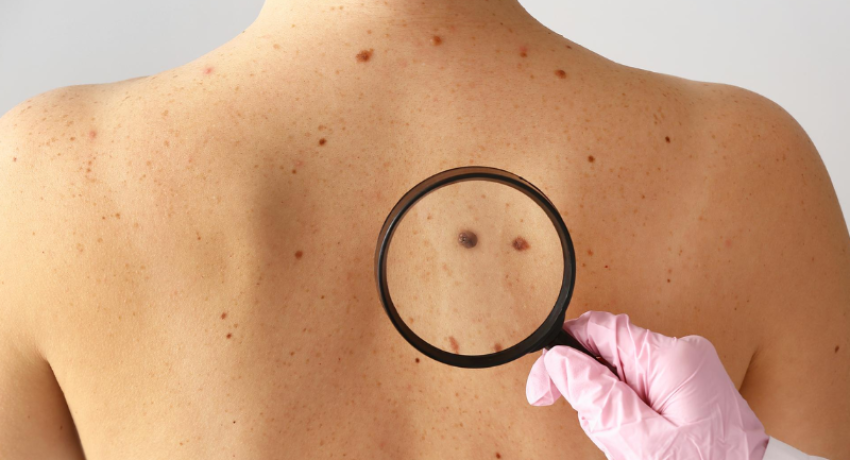

Skin cancer is the most common form of cancer in the United States, affecting millions of people each year. While the word “cancer” can be frightening, the good news is that skin cancer is highly treatable, especially when caught early. The key to successful treatment lies in understanding the different types of skin cancer, the various treatment options available, and choosing the best approach based on the specific diagnosis. In this blog, we’ll explore the best treatments for skin cancer, offering insights to help you make informed decisions about your health.
Understanding Skin Cancer
Before diving into treatment options, it’s important to understand what skin cancer is and the different forms it can take. Skin cancer occurs when skin cells begin to grow uncontrollably due to DNA damage, typically from ultraviolet (UV) radiation from the sun or tanning beds. There are three main types of skin cancer:
- Basal Cell Carcinoma (BCC): The most common and least aggressive form, BCC originates in the basal cells, which are located in the lowest layer of the epidermis. It usually appears as a small, shiny bump or a patch of red, irritated skin.
- Squamous Cell Carcinoma (SCC): This form of skin cancer develops in the squamous cells in the upper layers of the skin. It is more aggressive than BCC and can spread to other parts of the body if not treated. SCC often appears as a scaly, red patch or a firm, raised bump.
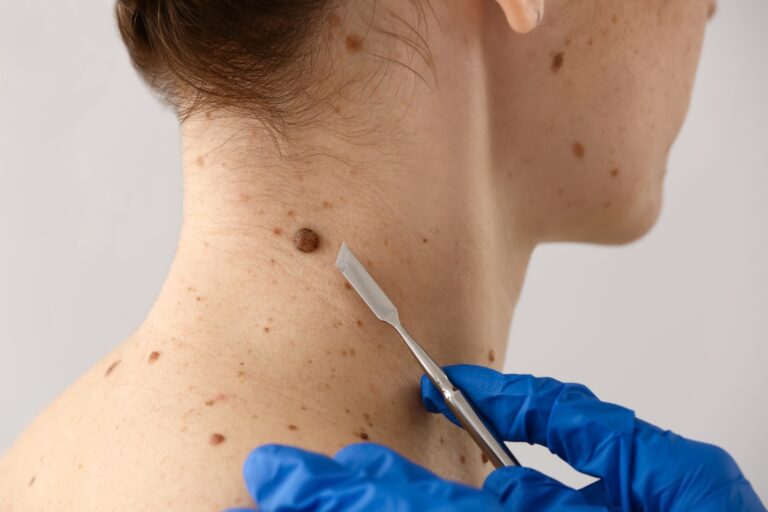
- Melanoma: The most serious type of skin cancer, melanoma develops in the melanocytes, the cells that produce pigment in the skin. It can spread rapidly to other organs if not detected early. Melanoma often appears as an irregularly shaped mole or a dark spot on the skin.
The Best Treatment Options for Skin Cancer
The best treatment for skin cancer depends on several factors, including the type of skin cancer, its stage, location, and the overall health of the patient. Here are the most common and effective treatments:
1. Surgical Excision
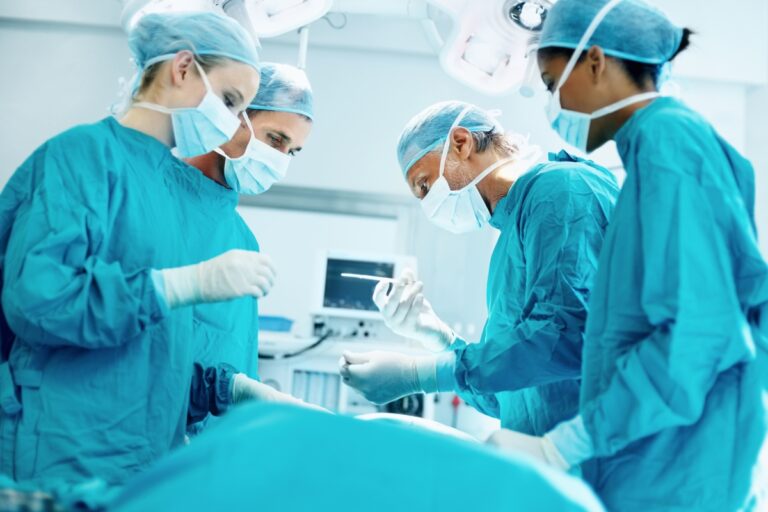
Surgical excision is the most widely used treatment for skin cancer, particularly for BCC and SCC. During this procedure, the surgeon removes the cancerous tissue along with a margin of healthy skin to ensure all cancer cells are eliminated. The excised tissue is then examined under a microscope to confirm that no cancer cells remain. This method is highly effective and is often used for tumors on the trunk, arms, and legs.
2. Mohs Micrographic Surgery
Mohs surgery is a specialized technique that offers the highest cure rate for BCC and SCC, especially when the cancer is located in cosmetically sensitive areas like the face. During Mohs surgery, the surgeon removes the cancerous tissue layer by layer, examining each layer under a microscope until no cancer cells are detected. This precise method allows for the maximum preservation of healthy tissue while ensuring complete removal of the cancer.
3. Cryotherapy
Cryotherapy, or cryosurgery, involves freezing cancerous tissue with liquid nitrogen. This treatment is commonly used for early-stage or superficial skin cancers, such as actinic keratoses, which can develop into SCC if left untreated. The frozen tissue eventually falls off, allowing healthy skin to grow in its place. Cryotherapy is quick and usually requires no stitches, making it an attractive option for small, easily accessible tumors.
4. Radiation Therapy
Radiation therapy uses high-energy beams to target and destroy cancer cells. It is often used for patients who cannot undergo surgery due to health reasons or for tumors in areas that are difficult to treat surgically. Radiation therapy is particularly effective for treating BCC and SCC, as well as for shrinking large tumors before surgery. However, it may require multiple sessions over several weeks and can cause side effects like skin irritation and fatigue.
5. Topical Medications
For certain types of superficial skin cancers, such as early-stage BCC, topical medications can be an effective treatment option. These creams or gels are applied directly to the affected area and work by stimulating the immune system to attack the cancer cells. Common topical treatments include imiquimod (Aldara) and fluorouracil (Efudex). While convenient, topical medications are generally reserved for small, low-risk cancers and require consistent application over several weeks.
6. Targeted Therapy
Targeted therapy is a newer treatment option that focuses on attacking specific molecules involved in the growth and spread of cancer cells. This treatment is particularly useful for advanced melanoma that has spread to other parts of the body. Targeted therapies, such as BRAF inhibitors, work by blocking the action of abnormal proteins that promote cancer cell growth. These drugs are often used in combination with other treatments to improve outcomes.
7. Immunotherapy
Immunotherapy harnesses the power of the body’s immune system to fight cancer. This treatment has revolutionized the management of advanced melanoma, offering hope to patients with metastatic disease. Drugs like pembrolizumab (Keytruda) and nivolumab (Opdivo) work by blocking proteins that prevent immune cells from attacking cancer cells. While immunotherapy can be highly effective, it may also cause significant side effects, including inflammation and autoimmune reactions.
Choosing the Right Treatment
Selecting the best treatment for skin cancer requires a personalized approach. Your healthcare provider will consider several factors, including the type, size, and location of the tumor, as well as your age, overall health, and personal preferences. It’s important to discuss all available options with your doctor, including the potential benefits, risks, and side effects of each treatment. In some cases, a combination of treatments may be recommended to achieve the best outcome.
Preventing Skin Cancer Recurrence
Treatment is just one part of the journey. After successful treatment, it’s crucial to take steps to prevent skin cancer from recurring. Here are some tips to protect your skin and reduce your risk of future skin cancer:
- Wear Sunscreen Daily: Apply a broad-spectrum sunscreen with an SPF of 30 or higher every day, even on cloudy days or during winter.
- Avoid Tanning Beds: Tanning beds emit harmful UV radiation that can increase your risk of skin cancer.
- Wear Protective Clothing: When spending time outdoors, wear wide-brimmed hats, sunglasses, and long sleeves to shield your skin from the sun.
- Perform Regular Skin Checks: Examine your skin monthly for any new or changing moles, spots, or growths. If you notice anything suspicious, consult your doctor immediately.
- Visit Your Dermatologist: Schedule annual skin exams with a dermatologist to catch any potential issues early.
Skin cancer is a serious condition, but with early detection and the right treatment, the prognosis is excellent. Whether it’s surgical excision, Mohs surgery, or advanced therapies like immunotherapy, there are effective treatment options available for every type of skin cancer. The key is to work closely with your healthcare team to choose the best treatment for your specific situation. Remember, protecting your skin and staying vigilant about skin checks are essential steps in maintaining your health and preventing future skin cancer.
FAQs
- What is the most effective treatment for basal cell carcinoma?
The most effective treatment for basal cell carcinoma is often Mohs micrographic surgery, which has the highest cure rate and preserves healthy tissue. - Can skin cancer be treated without surgery?
Yes, some forms of skin cancer can be treated without surgery using options like radiation therapy, cryotherapy, or topical medications, depending on the type and stage. - Is radiation therapy effective for melanoma?
Radiation therapy is not typically the first-line treatment for melanoma but may be used in specific cases, such as when surgery isn’t possible or to target metastatic lesions. - What are the side effects of immunotherapy for skin cancer?
Common side effects of immunotherapy include fatigue, skin rash, and inflammation of organs such as the lungs, liver, or intestines. - How long does it take to recover from Mohs surgery?
Recovery from Mohs surgery typically takes about 2-4 weeks, depending on the size and location of the treated area. - Can skin cancer come back after treatment?
Yes, skin cancer can recur after treatment, especially if all cancer cells were not removed or if there is ongoing UV exposure. Regular skin checks are essential for early detection. - What is the success rate of skin cancer treatment?
The success rate of skin cancer treatment is high, especially for early-stage cancers. Treatments like Mohs surgery for BCC and SCC have cure rates exceeding 95%.