

Stretch marks are a common skin concern for many people, especially during periods of rapid growth or weight change. While they’re often associated with pregnancy, they can occur for various reasons, including puberty, rapid muscle growth, and even certain medical conditions. Despite their prevalence, the exact causes of stretch marks remain a topic of interest and investigation within the scientific community. One factor that has garnered attention is genetics. Let’s delve into the intricate connection between genetics and stretch mark formation to understand the role genes play in this phenomenon.
Genetic Predisposition: Are Stretch Marks in Your DNA?
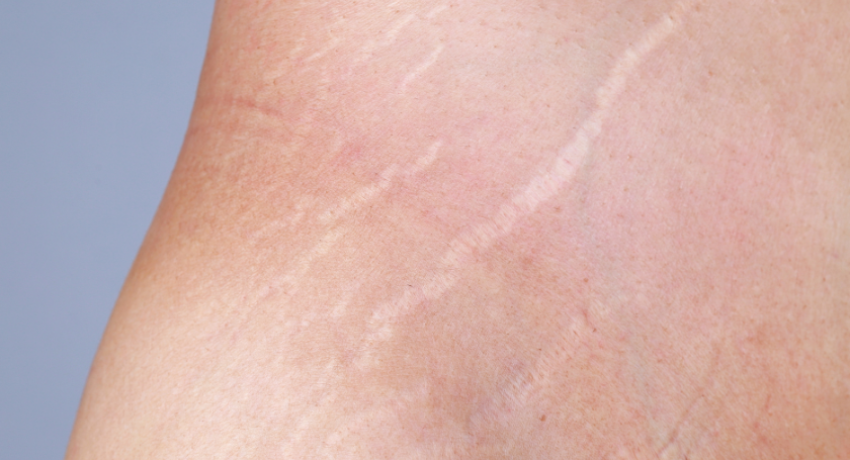
Stretch marks, also known as striae, are a type of scar that develops when the skin stretches or shrinks rapidly. They typically appear as lines or streaks on the skin, ranging from pink to purple initially and eventually fading to a lighter color over time. While environmental factors such as rapid weight gain or loss can contribute to their formation, genetics also seem to play a significant role.
Studies have shown that some individuals are genetically predisposed to developing stretch marks more easily than others. Genetic factors can influence the elasticity and resilience of your skin, affecting its ability to withstand stretching without forming scars. If your parents or close relatives have a history of stretch marks, you may be more likely to experience them yourself, even if you lead a healthy lifestyle.
Understanding the Genetics of Skin Elasticity
The elasticity of your skin is largely determined by proteins called collagen and elastin, which provide structural support and flexibility. Collagen is responsible for maintaining the skin’s firmness, while elastin allows it to stretch and recoil without damage. Genetics play a crucial role in regulating the production and quality of these proteins, thereby influencing your skin’s ability to adapt to changes in size or shape.
Certain genetic variations can affect collagen and elastin production, making some individuals more susceptible to stretch marks than others. For example, mutations in genes encoding collagen or elastin proteins may compromise the skin’s structural integrity, making it more prone to tearing when stretched. Additionally, variations in genes involved in skin repair and inflammation can influence how quickly and effectively your skin heals from injuries, including stretch marks.
The Role of Hormones in Stretch Mark Formation
Hormonal changes also contribute to the development of stretch marks, and genetics can influence how your body responds to these fluctuations. During puberty, pregnancy, or periods of hormonal imbalance, the body produces hormones like cortisol and cortisone, which can weaken the skin’s supportive structures and increase its susceptibility to stretching.
Genetic factors can influence hormone levels and how your body processes and responds to them. For instance, certain genetic variations may predispose individuals to hormonal imbalances or make them more sensitive to the effects of stress, leading to increased cortisol production. As a result, their skin may be more prone to developing stretch marks when exposed to rapid growth or weight gain.
Mitigating Genetic Factors: Can You Prevent Stretch Marks?
While genetics play a significant role in stretch mark formation, it’s essential to remember that they’re not entirely predetermined. While you can’t change your genetic makeup, there are steps you can take to minimize your risk and improve the overall health and appearance of your skin.
Maintaining a healthy lifestyle, including a balanced diet rich in vitamins and minerals, regular exercise, and adequate hydration, can support your skin’s elasticity and resilience. Additionally, using moisturizers and creams containing ingredients like retinol, hyaluronic acid, and vitamin E can help improve skin texture and minimize the appearance of stretch marks over time.
Deciphering the Genetic Puzzle of Stretch Marks
In conclusion, genetics play a significant role in stretch mark formation, influencing factors such as skin elasticity, hormonal response, and repair mechanisms. While some individuals may be genetically predisposed to developing stretch marks more easily than others, lifestyle factors and skincare habits can also influence their severity and appearance. By understanding the genetic factors at play and taking proactive steps to care for your skin, you can minimize the impact of stretch marks and embrace your skin’s natural beauty.
Stretch marks, though often unwelcome, are a testament to the body’s resilience and the dynamic nature of our skin. By unraveling the genetic puzzle behind stretch mark formation, we gain valuable insights into how our bodies respond to change and adversity. Embracing our genetic heritage while nurturing our skin with care and compassion allows us to navigate the journey of life with confidence and grace, stretch marks and all.