
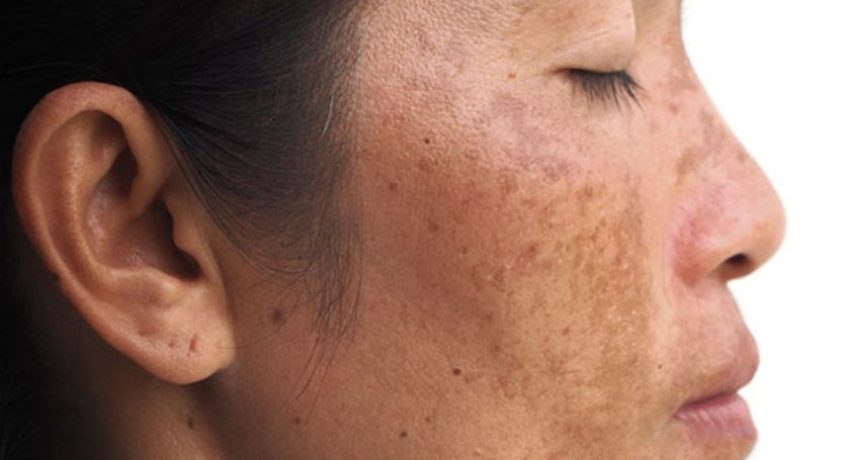

Imagine waking up one day with dark, patchy spots on your face that seem to defy all attempts at concealment. Frustratingly stubborn and often accompanied by a sense of self-consciousness, melasma is a common skin condition that plagues many individuals – both men and women alike. But amidst the sea of information available online, it can be difficult to separate fact from fiction when it comes to treating this perplexing pigmentation disorder.
In this blog post, we are here to shed light on some commonly held myths about melasma. Prepare yourself for an enlightening journey as we debunk these misconceptions and empower you with accurate knowledge. So sit back, relax, and let’s dive into the truth behind melasma!
Myth #1: Melasma Can Be Treated Completely
Melasma, like many other skin conditions, is a complex issue that often requires a comprehensive approach to management. While it’s true that there are numerous treatment options available, the idea that melasma can be completely eradicated is unfortunately nothing more than wishful thinking.
It’s important to understand that melasma develops due to various factors such as hormonal changes, sun exposure, and genetic predisposition. These underlying causes make it challenging to achieve a complete resolution of the condition. Even with diligent adherence to prescribed treatments and skincare routines, melasma may still persist.
Treatment for melasma typically involves a combination of topical creams containing ingredients like hydroquinone or retinoids, chemical peels, laser therapy, and strict sun protection measures. However, even with these interventions, achieving significant improvements in pigmentation can be a gradual process requiring patience and consistency.
While it may be disheartening to accept that total elimination of melasma may not be possible for everyone affected by this condition, it’s essential to focus on realistic expectations and managing its appearance effectively rather than chasing an unattainable goal. Understanding this myth allows individuals dealing with melasma to shift their mindset towards practical solutions and self-acceptance.
Myth #2: Regular Exfoliation Can Lighten Melasma
Regular exfoliation has long been touted as a solution for various skincare concerns, including melasma. Many people believe that by sloughing off the top layer of skin through regular exfoliation, they can lighten or even eliminate their melasma spots. However, this is just another common myth surrounding this complex skin condition.
While exfoliating the skin can help improve its texture and appearance, it’s important to understand that melasma goes deeper than just the surface layer. Melasma occurs when there is an overproduction of melanin in certain areas of the skin, leading to dark patches or spots. This excess melanin is not concentrated only on the outermost layer of skin but extends deeper into the dermis.
Exfoliating alone cannot effectively target or treat these deep-seated pigmentation issues associated with melasma. In fact, excessive exfoliation or using harsh scrubs may actually worsen the condition by causing irritation and inflammation.
To effectively address melasma, it’s crucial to consult with a dermatologist who specializes in treating pigmentation disorders like this one. They can recommend appropriate treatments such as topical creams containing ingredients like hydroquinone or tretinoin, which work by inhibiting melanin production and promoting cell turnover.
Remember that each person’s case of melasma is unique, so what works for one individual may not yield similar results for another. It’s essential to have realistic expectations and seek professional guidance for personalized treatment options rather than relying solely on myths about regular exfoliation as a cure-all solution for melasma.
Myth #3: There Is Only One Type Of Melasma And The Same Treatment Should Work For Everyone.
When it comes to melasma, there is a common misconception that there is only one type of this skin condition and that the same treatment should work for everyone. However, this couldn’t be further from the truth.
Melasma actually presents in different forms and can vary in severity from person to person. There are three main types of melasma: epidermal, dermal, and mixed. Each type affects different layers of the skin and requires a tailored approach when it comes to treatment.
Epidermal melasma appears as brown patches on the surface of the skin and responds well to treatments like topical creams or chemical peels. Dermal melasma, on the other hand, affects deeper layers of the skin and may require more intensive treatments such as laser therapy or microdermabrasion.
Mixed melasma combines characteristics of both epidermal and dermal melasma, making it more challenging to treat effectively. In these cases, a combination approach may be necessary involving various treatments over an extended period.
It’s important to consult with a dermatologist who can accurately diagnose your specific type of melasma and recommend appropriate treatment options based on your individual needs. Remember that what works for one person may not necessarily work for another when it comes to treating melasma.
By debunking this myth about there being only one type of melasma with a universal treatment solution, we can better understand why personalized approaches are crucial in addressing this condition effectively. So if you’re dealing with stubborn pigmentation concerns like melasma, seek professional guidance for targeted solutions tailored just for you!
conclusion
Melasma is a common skin condition that can cause frustration and self-consciousness for those who experience it. However, debunking these common myths about melasma can help us better understand the condition and manage our expectations.
It’s important to realize that melasma cannot be completely treated or cured. While there are various treatment options available that can help reduce its appearance, complete eradication is not always possible. Managing melasma involves a combination of skincare routines, lifestyle changes, and professional treatments.
Regular exfoliation alone cannot lighten melasma. While exfoliating may help remove dead skin cells and improve overall skin texture, it does not specifically target the pigmentation caused by melasma. It is essential to follow a comprehensive skincare regimen tailored for treating melasma under the guidance of a dermatologist.
There isn’t just one type of melasma, and what works for one person may not work for another. Melasma can manifest differently in different individuals due to various factors such as hormonal imbalances or sun exposure patterns. Therefore, personalized treatment plans are crucial to address each individual’s specific needs effectively.
In conclusion (without explicitly stating “In conclusion”), understanding the realities behind these myths allows us to approach managing melasma with more realistic expectations. Consultation with a dermatologist is vital in developing an effective treatment plan suited to your unique circumstances.
Remember that while we strive for clearer skin and improved confidence in our appearance, embracing ourselves as we are should always take precedence over societal beauty standards.