
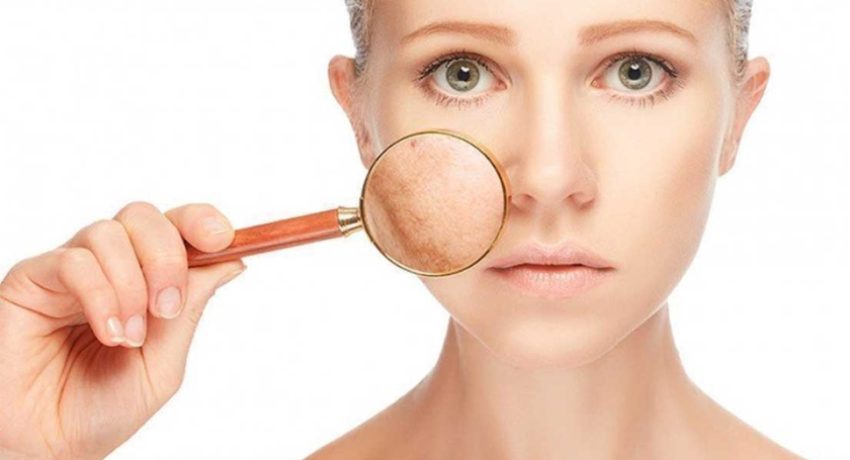

Regardless of age or gender, melasma is a common skin ailment that can affect everyone. Characterized by the appearance of brown or grayish-brown patches on the face, it often occurs on the cheeks, forehead, bridge of the nose, and upper lip. At Cenla Dermatology, we aim to shed light on melasma by exploring its causes, symptoms, and available treatment options.
The Causes of Melasma
Melasma is believed to be primarily triggered by an overproduction of melanin, the pigment responsible for skin color, hair, and eyes. This overproduction may be caused by several circumstances, including:
Sun Exposure
Ultraviolet (UV) light from the sun stimulates melanocytes (pigment-producing cells) to produce more melanin. Prolonged sun exposure without adequate protection can exacerbate melasma.
Hormonal Changes
Hormonal fluctuations during pregnancy, birth control use, or hormone therapy can lead to melasma. It’s often called the “mask of pregnancy” during gestation.
Genetics
A family history of melasma may increase your susceptibility to the condition.
Skin Products
Certain skincare products and treatments, such as those containing fragrances, can irritate the skin and trigger melasma in some individuals.
The Symptoms of Melasma
Melasma is primarily characterized by brown to gray-brown patches on the face. These patches are typically symmetrical, meaning they occur on both sides of the face in a nearly identical pattern. Melasma frequently affects the following regions:
– Cheeks
– Forehead
– Bridge of the nose
– Upper lip
– Chin
Treatment Options for Melasma
While melasma is a chronic condition, there are several treatment options available to manage its appearance:
Sun Protection
Wearing broad-spectrum sunscreen and protective clothing is vital to prevent further darkening of melasma patches. Sun protection is the cornerstone of melasma management.
Topical Agents
Dermatologists may recommend topical treatments that contain ingredients like hydroquinone, tretinoin, corticosteroids, or a combination of these to lighten melasma patches.
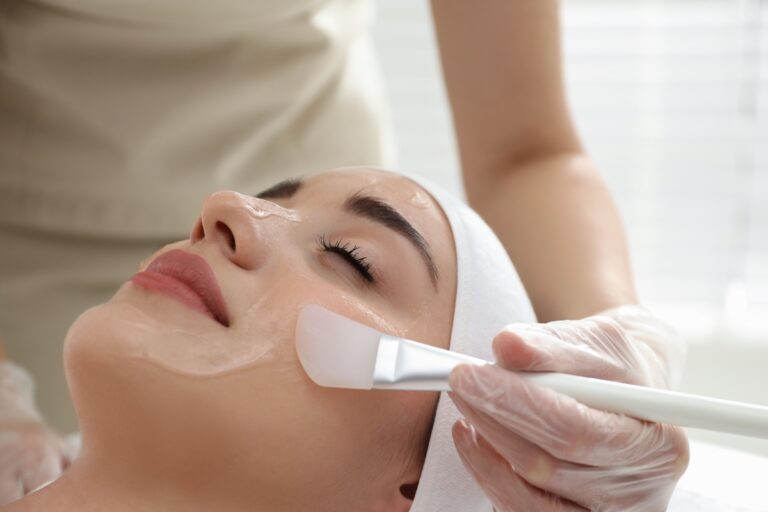
Chemical Peels
Chemical peels can help improve the appearance of melasma by removing the top layer of skin and stimulating the growth of new, less pigmented skin.
Laser Therapy
Laser treatments can target the melanin in melasma patches, helping to break down excess pigmentation.
Microdermabrasion
Microdermabrasion involves exfoliating the skin’s outer layer to reduce the appearance of melasma.
Personalized Skin Care
A dermatologist can recommend a tailored skincare regimen, including gentle cleansers and moisturizers, to manage melasma and prevent irritation.
Consult a Dermatologist
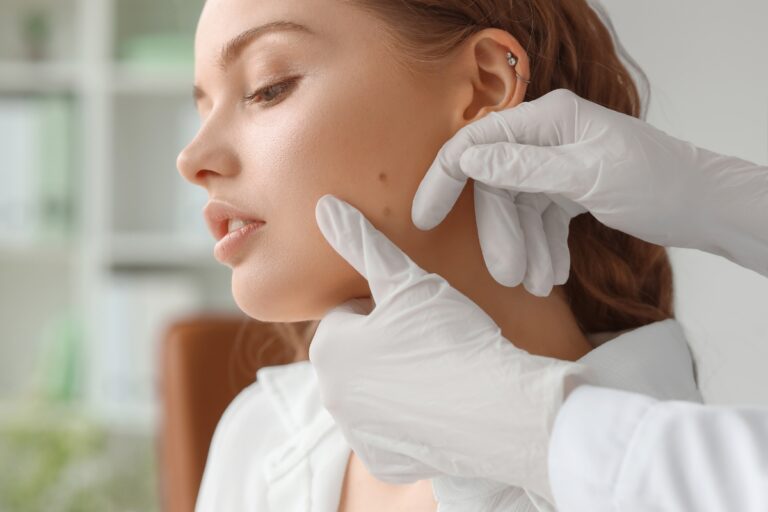
If you’re dealing with melasma, it’s crucial to consult a dermatologist for a personalized treatment plan. They can evaluate your specific case, discuss your medical history, and recommend the most suitable treatments and skincare routine for your needs. With professional guidance and proper sun protection, melasma can be effectively managed, helping you achieve clearer and more even-toned skin.